
Imagine taking your morning pill with a glass of orange juice, thinking you’re being healthy. Now imagine that same pill failing to work because of the vitamin C in the juice. It sounds like a movie plot, but it’s a daily reality for millions of people mixing prescription medications with Dietary Supplements is a broad category of oral products including vitamins, minerals, herbs, and amino acids intended to supplement the diet rather than replace food. You might think supplements are just "natural" helpers, harmless by definition. But when they meet powerful drugs in your bloodstream, the results can be unpredictable-and sometimes dangerous. The scary part? Most doctors don’t know what you’re taking. If you swallow pills every day, understanding how these two worlds collide isn’t just smart; it’s essential for staying alive.
The Hidden Danger: Why Your Pills Might Be Fighting Each Other
Let’s get one thing straight: supplements aren’t regulated like drugs. Under the Dietary Supplement Health and Education Act (DSHEA) is the 1994 U.S. law that classifies dietary supplements as food rather than drugs, meaning manufacturers do not need FDA pre-market approval for safety or efficacy before selling them., companies can sell almost anything without proving it works or is safe. They only have to step up if the product turns out to hurt someone *after* it hits the shelves. So, what happens when you mix them? There are two main ways supplements mess with your meds:
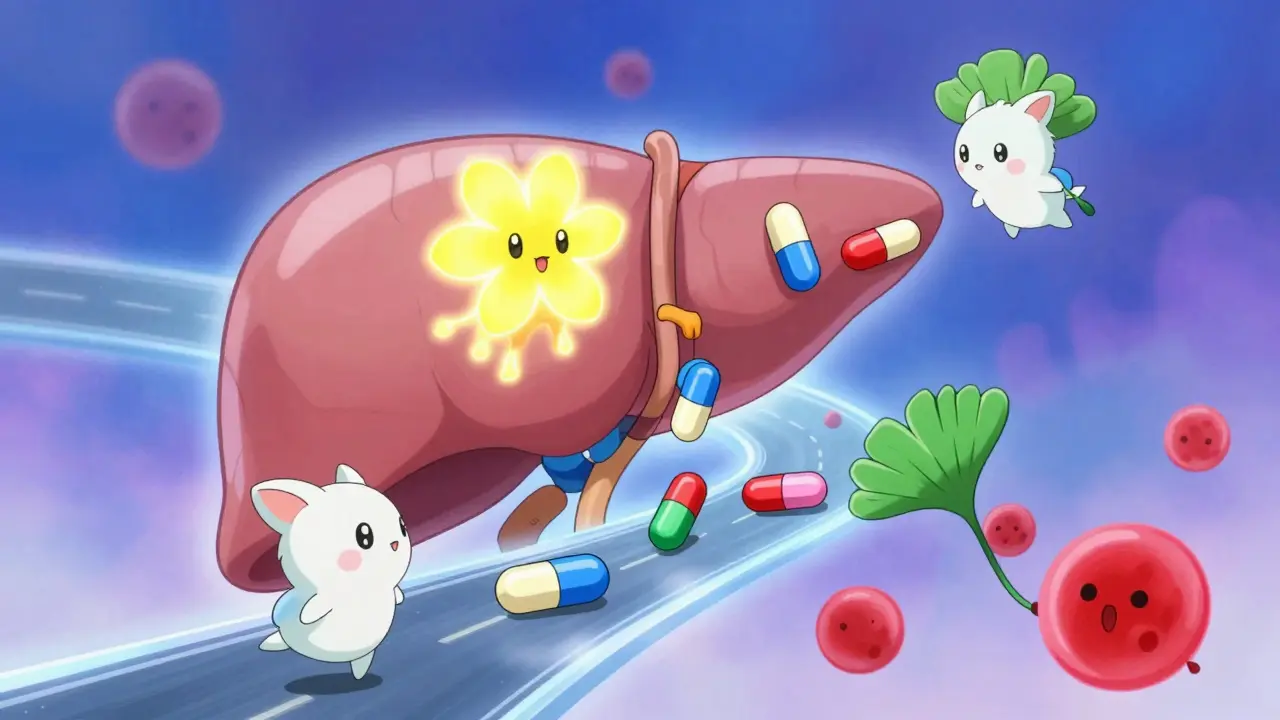
- Pharmacokinetic interactions: This is fancy talk for changing how your body absorbs, processes, or gets rid of a drug. Think of it like a traffic jam on the highway of your liver. If a supplement speeds up the enzymes that break down drugs, your medicine disappears too fast to work. If it slows them down, the drug builds up to toxic levels.
- Pharmacodynamic interactions: Here, the supplement and the drug fight over the same job in your body. For example, if both thin your blood, you risk bleeding out from a small cut. If both lower blood pressure, you might faint when you stand up.
A study published in JAMA Internal Medicine found that while most potential interactions weren’t serious, about 6% were potentially severe. That might sound low, but consider this: roughly 75% of U.S. adults take some form of supplement. Multiply that by the billions of prescriptions written each year, and you’ve got a massive hidden risk zone.
The Usual Suspects: High-Risk Supplements You Need to Know
Not all supplements are created equal. Some are relatively benign, while others are chemical dynamite when mixed with certain drugs. Let’s look at the biggest troublemakers.
St. John’s Wort: The Enzyme Accelerator
If there’s one supplement you need to watch out for, it’s St. John’s Wort is an herbal remedy commonly used for mild depression that strongly induces cytochrome P450 3A4 enzymes, significantly reducing the effectiveness of many prescription medications.. It’s famous for treating mild depression, but it’s also notorious for wrecking other treatments. It supercharges the enzyme CYP3A4 in your liver. What does that mean for you? It means drugs get broken down so quickly they never reach effective levels in your blood. Research shows it can slash the concentration of cyclosporine (used after organ transplants) by 57%. It cuts indinavir (an HIV drug) by 54%. Even birth control pills can fail, leading to unexpected pregnancies. If you’re on heart meds, antidepressants, or transplant drugs, keep this herb far away.
Ginkgo Biloba and Warfarin: The Bleeding Risk
Ginkgo biloba is an herbal extract often taken for memory and circulation that has mild antiplatelet effects, increasing the risk of bleeding when combined with anticoagulants like warfarin. is popular for brain health. But if you take Warfarin is a widely prescribed anticoagulant medication that prevents blood clots by inhibiting vitamin K-dependent clotting factors, requiring careful monitoring via INR tests. (Coumadin), you’re playing Russian roulette. Both substances thin your blood. Case reports show patients’ INR levels-a measure of how long it takes your blood to clot-spiking from a safe range of 2-3 to over 6.5. That’s a huge risk for internal bleeding or strokes from minor injuries.
Vitamin K and Green Tea: Canceling Out Blood Thinners
This is a tricky one. Vitamin K helps blood clot. Warfarin stops it from clotting. If you suddenly start taking green tea extracts or multivitamins high in Vitamin K, you neutralize your medication. You might feel fine, but your protection against clots vanishes. Consistency is key here, but sudden changes in supplement intake can be dangerous.
Magnesium and Antibiotics: The Absorption Blocker
Think magnesium antacids are just for heartburn? When taken with quinolone antibiotics (like ciprofloxacin), magnesium binds to the drug in your gut. Up to 90% of the antibiotic never gets absorbed. You’re essentially flushing expensive medicine down the toilet, leaving your infection untreated. Always separate these doses by at least two hours.
| Supplement | Drug Class | Risk Level | Potential Consequence |
|---|---|---|---|
| St. John’s Wort | Antidepressants, Birth Control, Transplant Drugs | High | Drug becomes ineffective; pregnancy or rejection risk |
| Ginkgo Biloba | Warfarin, Aspirin | High | Increased bleeding risk; bruising, hemorrhage |
| Vitamin K (Green Tea) | Warfarin | High | Reduced anticoagulant effect; clot risk returns |
| Magnesium Antacids | Quinolone Antibiotics | Medium-High | Poor antibiotic absorption; treatment failure |
| Calcium | Levothyroxine (Thyroid Meds) | Medium | Reduced thyroid hormone absorption; fatigue, weight gain |
| CBD Oil | Clobazam (Seizure Meds) | High | Excessive sedation; increased drug levels by 60-500% |
The Communication Gap: Why Doctors Don’t Know What You Take
Here’s the uncomfortable truth: most patients don’t tell their doctors about their supplements. A survey found that 68% of users didn’t discuss their supplement use with physicians. Why? Many believe doctors “don’t know anything about supplements” or assume they’re harmless because they’re sold in grocery stores. But doctors aren’t mind readers. And pharmacists, despite being experts, often miss these interactions too. A study showed only 32% of pharmacists correctly identified major supplement-drug interactions on a test. After training, that number jumped to 87%, which proves knowledge is the gap, not care. When you walk into a clinic, your chart lists your prescriptions. It rarely lists the bottle of ginseng or the fish oil on your nightstand. This silence creates blind spots. Dr. Craig M. Kessler from Georgetown University testified that supplement interactions contribute to roughly 23,000 emergency room visits annually. Most of these could be prevented with a simple conversation.
How to Stay Safe: A Practical Checklist
You don’t need to stop taking supplements to be safe. You just need to manage them better. Here is how to protect yourself:
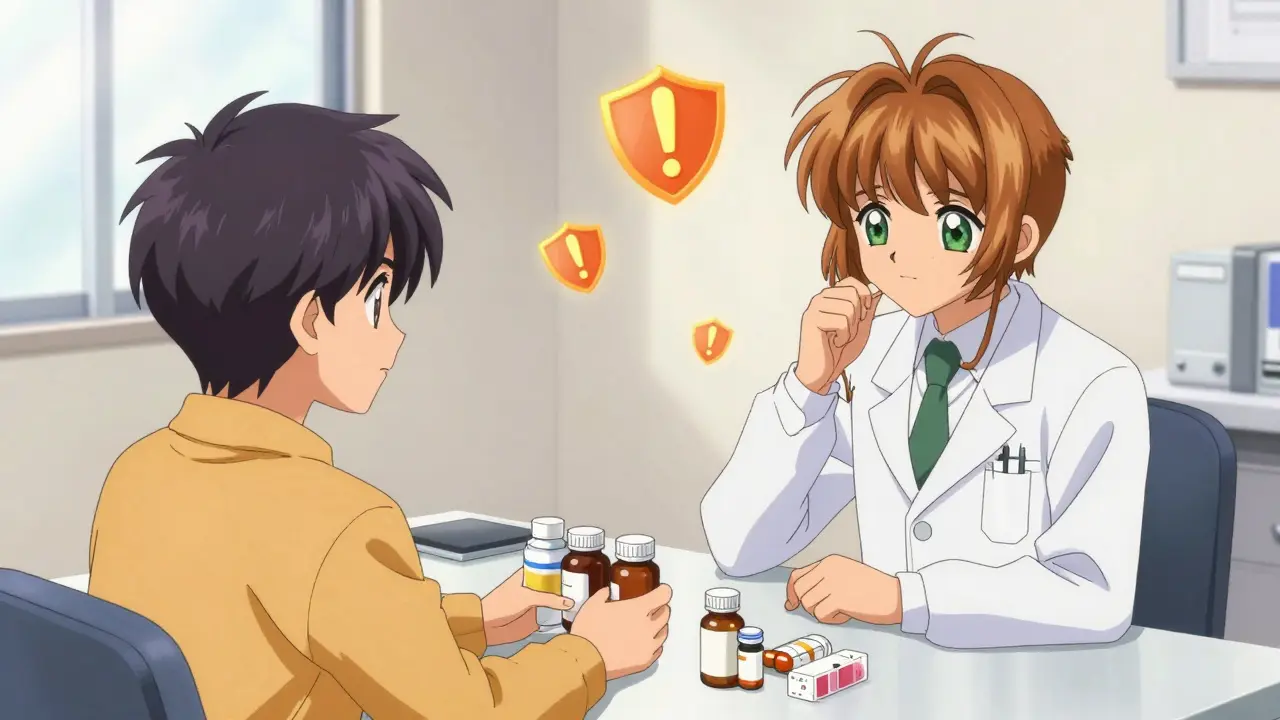
- Bring the Bottles: At your next appointment, bring every single bottle you take. Not just the names, but the actual containers. Labels change, dosages vary, and “herbal blend” can hide dozens of ingredients.
- Ask Specifically: Don’t wait for your doctor to ask. Say, “I take these three things over the counter. Do any of them interact with my new prescription?”
- Use Reliable Resources: Don’t trust random blogs. Check the Natural Medicines Database is a comprehensive evidence-based resource that rates the likelihood and severity of supplement-drug interactions based on clinical research. or the NIH’s LiverTox database. These tools give you science-backed answers, not marketing fluff.
- Space Out Your Doses: If you’re told to separate a mineral from an antibiotic, actually do it. Two hours apart is usually the magic window. Set a timer if you have to.
- Watch for Red Flags: If you start a new supplement and suddenly feel dizzy, bleed easily, or notice your regular meds aren’t working as well, stop the supplement and call your doctor immediately.
The Future of Regulation: Will Things Get Better?
The system is slowly waking up. The FDA has proposed stricter guidelines for new dietary ingredients, demanding more interaction data before they hit the market. There’s even a bill in Congress, the Dietary Supplement Labeling Act, pushing for mandatory warning labels on high-risk supplements. However, change is slow. Right now, the burden falls on you. The industry spends billions on marketing, but less than 1% of manufacturers conduct formal interaction studies. Until regulations tighten, you are your own best advocate. Remember, "natural" doesn’t mean "safe." It just means it came from a plant. Plants contain potent chemicals-some heal, some harm, and some cancel out the life-saving drugs you depend on. Treat your supplements with the same respect as your prescriptions, and you’ll stay much safer.
Can I take vitamins with my prescription medication?
Generally, yes, but timing matters. Fat-soluble vitamins (A, D, E, K) can accumulate in your body and interact with drugs like blood thinners. Water-soluble vitamins are usually safer but can still affect absorption. Always check with your pharmacist, especially for Vitamin K if you are on warfarin.
Why is St. John's Wort considered dangerous?
St. John's Wort is a powerful inducer of liver enzymes (specifically CYP3A4). This causes your body to break down many medications too quickly, rendering them ineffective. This can lead to treatment failures in critical conditions like HIV, organ transplantation, and depression.
Do herbal supplements really cause hospitalizations?
Yes. According to expert testimony and FDA data, supplement-drug interactions contribute to thousands of emergency department visits and hospitalizations each year. Common causes include bleeding events from mixing herbs with anticoagulants and seizures from altered drug levels.
How long should I wait between taking an antibiotic and a calcium supplement?
You should typically wait at least 2 to 4 hours. Calcium, magnesium, and iron can bind to certain antibiotics (like tetracyclines and fluoroquinolones) in the stomach, preventing the drug from being absorbed into your bloodstream.
Is CBD oil safe to take with other medications?
CBD can significantly interact with many drugs by inhibiting the enzymes that break them down. For example, it can increase levels of seizure medications like clobazam by 60-500%, leading to excessive sedation. Always consult a doctor before combining CBD with prescriptions.