
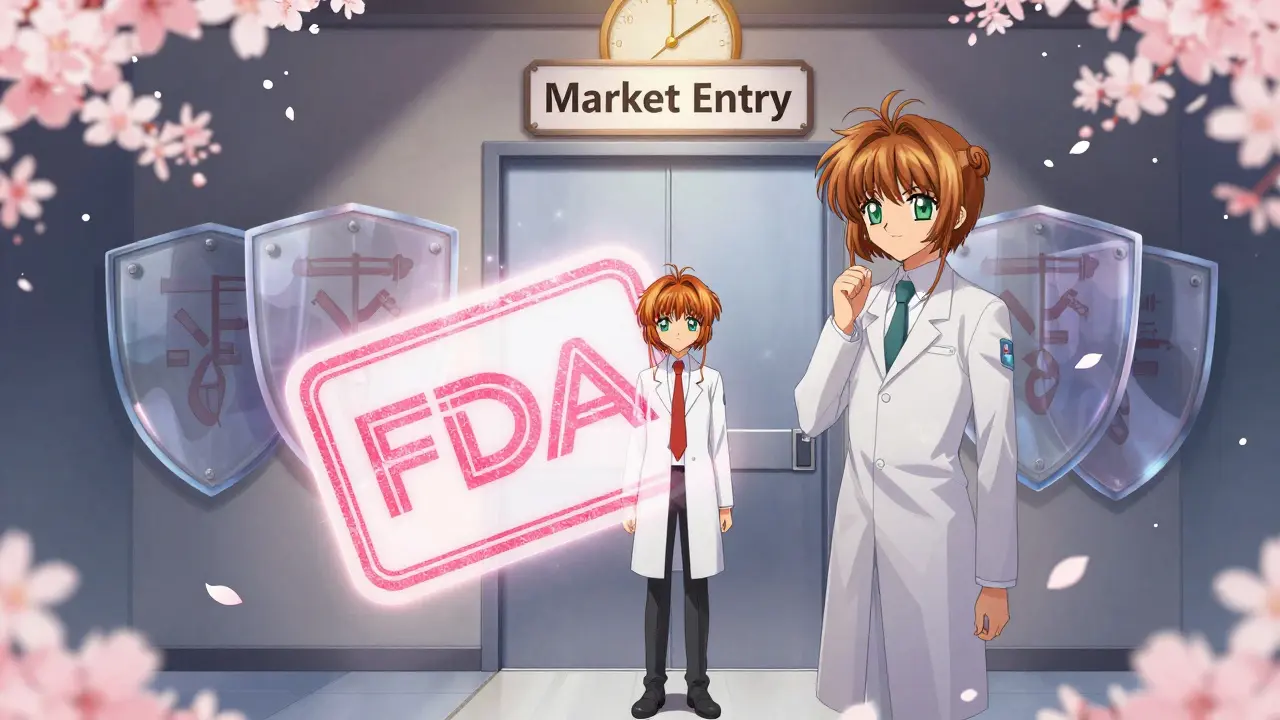
When a generic drug company submits an application to the FDA to sell a cheaper version of a brand-name medicine, they don’t always get immediate approval-even if their drug is scientifically perfect. That’s because of something called tentative approval. It sounds like progress, but it’s really a legal pause. You’ve done everything right. The FDA says your drug is safe, effective, and matches the brand. But you still can’t sell it. Why? Because the original drug still has patents protecting it. And that’s where litigation comes in.
What Tentative Approval Really Means
Tentative approval isn’t a partial win. It’s not a "maybe" or a "we’re working on it." It’s a clear signal from the FDA: Your drug meets every technical requirement. The chemistry, the manufacturing, the labeling-all of it checks out. But final approval is blocked by patents or exclusivity periods on the original drug. This system was created by the Hatch-Waxman Act of 1984, a law designed to balance innovation with competition. It lets generic companies get ahead in line while the patent clock ticks down.
Think of it like reserving a table at a packed restaurant. You show up early, get your name on the list, and wait. When the table opens, you’re first in line. Tentative approval does the same thing for generic drugs. The FDA processes about 1,000 of these each year. Companies like Teva, Mylan, and Lupin rely on this system to plan their market entry. Without it, they’d have to wait until the patent expired to even start the review process-delaying cheaper drugs by years.
The Patent Litigation Game
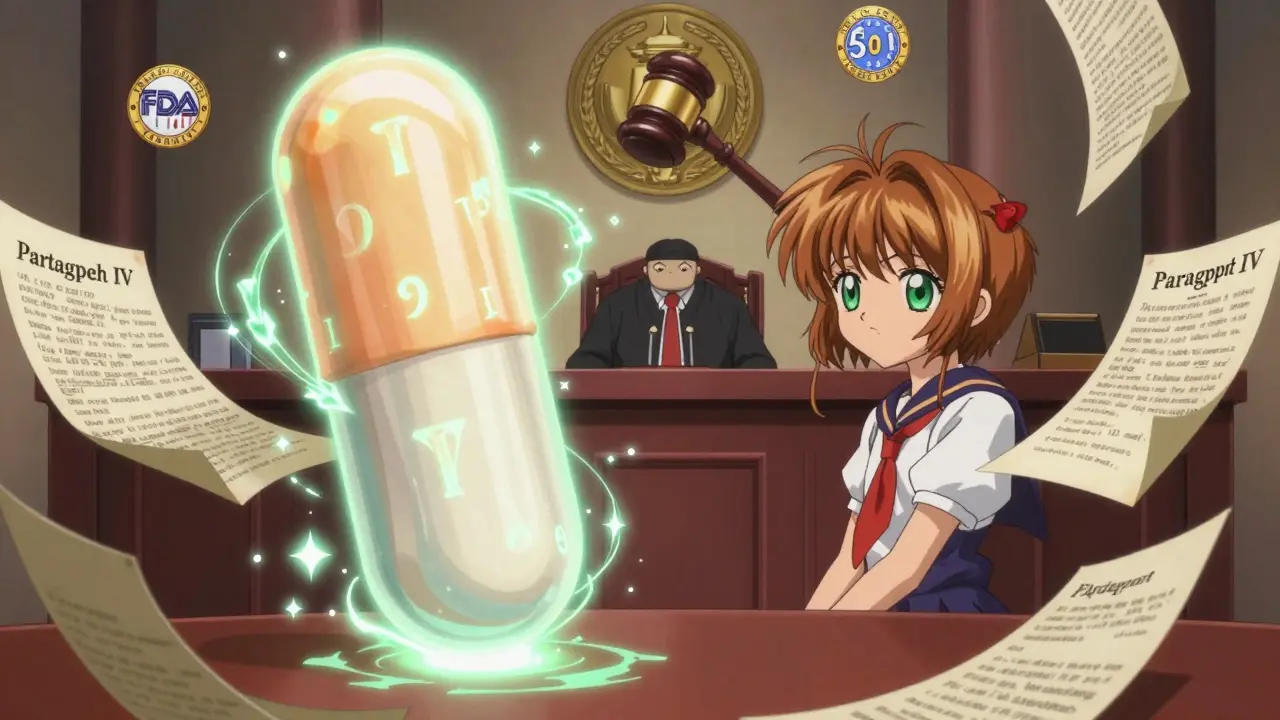
The real drama starts when a generic company files a Paragraph IV certification. This is a legal challenge: "We believe your patent is invalid or doesn’t cover our drug." Once filed, the brand-name company has 45 days to sue. If they do, the FDA is legally required to delay final approval for up to 30 months. That’s a long time to wait, but it’s also the window where the generic company can win big.
If the generic wins the lawsuit, they get 180 days of exclusive market access. No other generics can enter during that time. That’s worth hundreds of millions in revenue. That’s why companies fight hard. Some even settle with the brand, agreeing to delay entry in exchange for cash or other perks. The FDA doesn’t control these deals-but they do track them. And they still won’t approve the generic until the legal mess is cleared.
It’s Not Just About Waiting
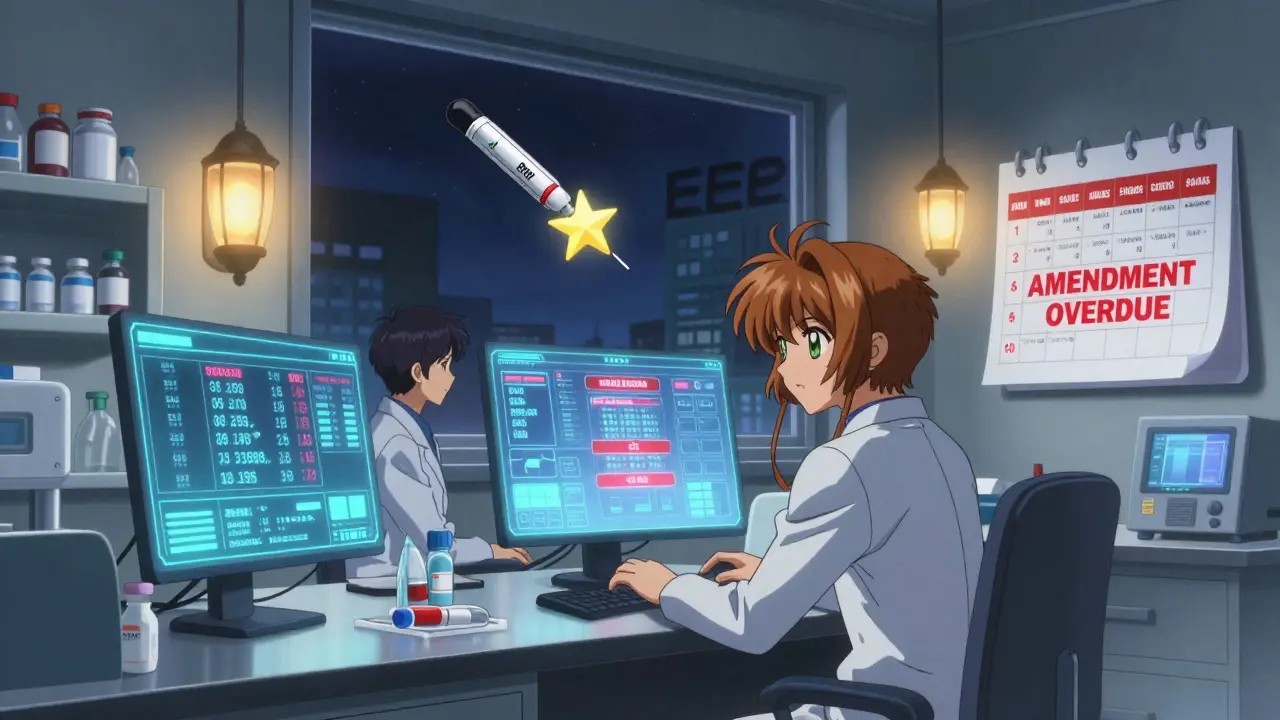
Many assume that once you get tentative approval, you just sit back and wait. That’s a dangerous mistake. The FDA requires companies to stay active. If you change your manufacturing site, tweak your formula, or update your label, you must submit an amendment. And timing matters. For minor changes, you need to file at least three months before the patent expires. For major changes, you need ten months. Miss the deadline, and your approval gets pushed back-even if the patent expired yesterday.
One company, Mylan, had tentative approval for their generic EpiPen for 18 months. But they didn’t realize the brand had extended its exclusivity due to pediatric studies. When the patent finally expired, their application was stuck. They lost six months of market entry. Another company, Aurobindo, lost $150 million because they didn’t properly document a change in their manufacturing facility. The FDA flagged it. Approval was delayed four months. In the generic drug world, a delay isn’t just inconvenient-it’s financial ruin.
How Companies Stay Ahead
The best generic manufacturers don’t just file an application and hope. They build systems. They track every patent, every exclusivity window, every possible extension. Legal teams work side-by-side with regulatory teams. They use software to monitor expiration dates, set internal alerts, and pre-draft their final approval requests. They schedule pre-submission meetings with the FDA long before the patent expires. They know that the FDA’s 30-day review window for minor amendments (now standard since 2023) is tight-and they plan for it.
Lupin Limited nailed it in 2018. They got tentative approval for their generic version of Cialis. When the patent expired, they submitted their final approval request exactly on time. Within 24 hours, the FDA approved it. They captured 42% of the market in the first month. That’s the power of precision.
The Hidden Costs
Tentative approval isn’t free. The FDA charges user fees for every submission. The legal battles cost millions. Regulatory teams need years of training to handle the complexity. And the pressure is constant. One survey of 45 generic companies found that it takes 6-12 months just for their staff to fully understand the system. And even then, mistakes happen. About 15% of tentatively approved applications face delays because of sloppy amendment submissions. Another 27% of delays come from manufacturing issues-not science, but paperwork.
Smaller companies struggle the most. While the top 10 generic manufacturers typically have 15-25 products in tentative approval status at once, smaller firms juggle only 2-5. They lack the staff, the software, the legal firepower. That’s why so many miss deadlines. The system works best for those who treat it like a high-stakes chess game-not a waiting room.
What’s Next?
The FDA is trying to make this faster. Starting in 2023, they cut the review time for final approval requests from 60-90 days down to 30 days for minor changes. That’s a big win. But patent complexity is growing. New drugs-especially complex generics and biologics-come with layered patents, multiple exclusivities, and legal traps. The FDA’s Science Board warned in 2023 that the current system might not handle the next wave of challenges.
Meanwhile, Congress is debating bills like the "Protecting Drug Patents Act," which could extend patent terms even further. If passed, it would push back tentative approvals by months-or years-for dozens of drugs. That means fewer generics on the market, higher prices, and more patients stuck paying brand-name costs.
But here’s the truth: tentative approval isn’t going away. Analysts from Barclays estimate a 95% chance it stays part of the system through 2030. Why? Because it’s the only practical way to balance innovation with access. Without it, generic drugs would take twice as long to reach patients. And in a market worth $75 billion, that’s not just bad business-it’s a public health risk.
What You Need to Know
If you’re a patient, this might feel like a backroom deal. But here’s what matters: tentative approval is why your insulin, your blood pressure pill, or your asthma inhaler costs a fraction of what it did ten years ago. Behind every cheap generic is a company that waited, fought, and filed paperwork on time. It’s not glamorous. But it’s essential.
If you’re in the industry, the lesson is simple: tentative approval is not the finish line. It’s the starting line. You still have to run the race. Miss a deadline. Misread a patent. Forget to update your manufacturing details. And you’ll lose everything-even if your drug is perfect.
What is the difference between tentative approval and final approval?
Tentative approval means the FDA has reviewed your generic drug application and found it scientifically complete, but you can’t sell it yet because of patent or exclusivity protections on the brand-name drug. Final approval means the legal barriers are gone, and you’re cleared to market your drug immediately. Tentative approval is a placeholder; final approval is the green light.
Can a generic drug be sold during tentative approval?
No. Even with tentative approval, the drug cannot be sold in the U.S. The FDA explicitly states that a tentatively approved product is not an approved drug. Marketing it before final approval is illegal and can result in enforcement action, fines, or delays in final approval.
Why do companies file Paragraph IV certifications?
Companies file Paragraph IV certifications to challenge the validity or applicability of a brand-name drug’s patent. If they do this and win the resulting lawsuit, they get 180 days of exclusive market rights as the first generic to enter. This financial incentive drives most patent litigation in the generic drug industry.
How long does it take to go from tentative approval to market entry?
It varies. If there’s no litigation and the patent expires soon, a company with a well-managed application can enter the market within days or weeks of submitting the final approval request. But if litigation is involved, the wait can stretch to 30 months. On average, the full process from ANDA submission to market entry takes 18-36 months.
What happens if a company misses the amendment submission deadline?
Missing the deadline-whether for minor or major amendments-can delay final approval by months. The FDA won’t approve the drug until the amendment is reviewed and accepted. This can cause companies to lose their market window, especially if competitors file on time. In 2022, 15% of delayed approvals were due to late or incomplete amendment submissions.
Is tentative approval used outside the U.S.?
No. The U.S. is the only country with a formal tentative approval system tied to patent litigation. Other countries may delay generic approval due to patents, but they don’t issue a formal "tentative approval" status. The U.S. system is unique because it legally connects regulatory review with patent challenges under the Hatch-Waxman Act.


12 Comments
Brandie Bradshaw
February 26, 2026 AT 22:21Tentative approval isn't a loophole-it's a surgical tool. The Hatch-Waxman Act didn't create a waiting room; it built a race track with lane markers. Companies that treat it as passive are already losing. The FDA doesn't delay you-your own missteps do. A single missed amendment deadline, a poorly documented manufacturing shift, and suddenly you're not first to market. You're just another footnote in a $75 billion industry that runs on precision, not patience.
bill cook
February 28, 2026 AT 13:42This whole system is rigged. Big pharma writes the rules, then pays off the FDA with ghost grants and cozy dinners. Tentative approval? More like "tentative exploitation." I've seen guys in white coats at conferences laughing about how they stretched patents by 17 months just to keep prices high. It's not science-it's a casino with a FDA stamp.
Angel Wolfe
March 1, 2026 AT 20:56They say the FDA is neutral but they're just puppets. I've got a cousin who works in regulatory affairs and he says they get pressured to delay generics when the senator's cousin owns stock in the brand name company. You think this is about public health? Nah. It's about who owns the patent and who owns the Congress. The 180-day exclusivity? That's not a reward-it's a bribe to keep the game going.
Sophia Rafiq
March 2, 2026 AT 06:30The real MVP here is the regulatory ops team. Nobody talks about them. They're the ones tracking patent cliffs like it's fantasy football. They’ve got dashboards, alerts, automated compliance trackers. One typo in a Form 356h and you lose six months. It’s not rocket science-it’s spreadsheet warfare. And the winners? They don’t celebrate. They just file the next one.
Ajay Krishna
March 2, 2026 AT 12:57In India, we don’t have this system. We just wait for patent expiry and move fast. But I admire how the U.S. system creates a structured path-even if it’s long. The key is preparation. Many small firms fail not because they can’t make the drug, but because they don’t understand the paperwork dance. It’s less about science, more about discipline. A little patience and attention to detail goes a long way.
Sneha Mahapatra
March 3, 2026 AT 03:31I just read this whole thing and felt... oddly peaceful? Like watching a chess match between giants. It’s not about who’s right or wrong-it’s about systems. The FDA isn’t evil. The brand companies aren’t monsters. The generics aren’t heroes. They’re all just players in a game designed to balance innovation with access. And somehow, after all the legal noise, it still works. 🙏
Byron Duvall
March 4, 2026 AT 15:03I bet 90% of these "tentative approvals" are just a way for Big Pharma to buy time. They know the generic companies are gonna sue anyway, so they file frivolous patents-like patenting the color of the pill or the shape of the tablet. Then they drag it out for 30 months. Meanwhile, patients pay $500 for a drug that costs $2 to make. This isn’t capitalism. This is extortion with a FDA logo.
Katherine Farmer
March 6, 2026 AT 14:33Let’s be honest: this entire framework is a relic of 1984. The world has moved on. We have AI-driven regulatory analytics, blockchain for supply chains, real-time manufacturing monitoring. Yet we’re still stuck in a world where a misplaced comma in an amendment delays life-saving medication by months. The FDA’s 30-day review window? Cute. It’s not innovation-it’s bureaucratic cosplay.
Full Scale Webmaster
March 7, 2026 AT 03:15You think this is bad? Wait till you see what happens when a company files a Paragraph IV and loses. The brand company doesn’t just win-they sue for punitive damages. They file injunctions. They threaten distributors. They hire private investigators to track the generic’s supply chain. I’ve seen a company lose $200 million because they got sued for a patent they didn’t even infringe. The system doesn’t just delay-it destroys. And nobody talks about the human cost. The R&D staff who get laid off. The families who lose healthcare because the drug never launched. This isn’t business. It’s psychological warfare dressed in legal briefs.
Noah Cline
March 8, 2026 AT 06:23The 180-day exclusivity period is the only thing keeping this system from collapsing. Without it, no generic would bother filing a Paragraph IV. The litigation costs alone are prohibitive. But the irony? The companies that win it often turn around and delay entry via settlement deals. So the system incentivizes litigation, then rewards collusion. It’s a self-sustaining loop of regulatory arbitrage. The FDA’s hands are tied. The law is the problem.
Sumit Mohan Saxena
March 9, 2026 AT 05:38In our organization, we maintain a dedicated patent watch team with quarterly audits. Every tentative approval is cross-referenced with USPTO filings, FDA exclusivity databases, and court dockets. We use automated alerts for 90-day, 30-day, and 7-day windows. We pre-draft final submission packages. We schedule FDA pre-meetings six months in advance. The difference between success and failure is not the drug-it is the documentation. Precision is not optional. It is the product.
Brandon Vasquez
March 11, 2026 AT 03:41I’ve worked with small generic firms that barely had two people handling regulatory filings. They didn’t have software. They didn’t have legal counsel. They just hoped. And when they missed a deadline? It wasn’t a mistake. It was the end. This system doesn’t fail because the science is hard. It fails because the human systems around it are fragile. We need more support-not more rules.