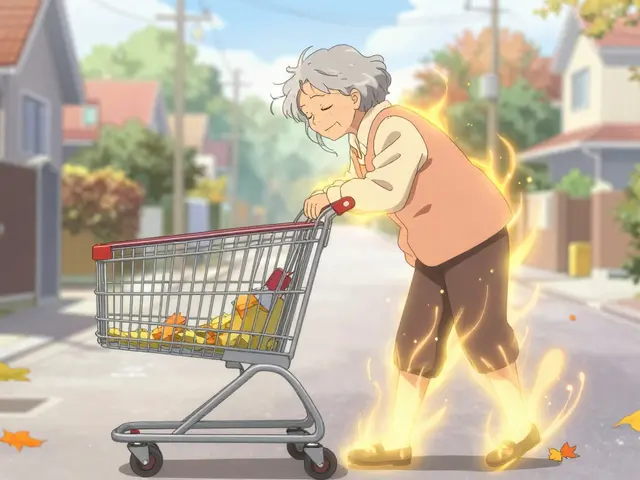

Imagine sitting in a doctor's office, clutching your side because the pain has become unbearable. You've tried heat packs, stretching, and over-the-counter pills, but nothing touches it. The doctor slides a prescription across the desk. It’s an opioid. In that moment, relief feels like salvation. But beneath that immediate comfort lies a complex medical landscape filled with strict guidelines, hidden dangers, and life-altering consequences.
Opioid therapy is not a simple on-or-off switch. It is a high-stakes balancing act between managing severe suffering and preventing addiction or overdose. For years, the approach to prescribing these powerful drugs shifted dramatically, swinging from widespread use to extreme caution. Today, we have clearer rules than ever before, thanks to updated federal guidance and extensive research. Understanding when opioids are truly necessary-and knowing the specific risks involved-can mean the difference between effective pain management and a dangerous dependency.
When Are Opioids Actually Appropriate?
The biggest misconception about opioid therapy is the medical use of opioid analgesics for pain management, governed by strict clinical guidelines to balance benefits against risks is that they should be the first line of defense for chronic pain. They shouldn't. According to the Centers for Disease Control and Prevention (CDC) Clinical Practice Guideline published in November 2022, opioids are rarely the best starting point for long-term pain issues.
So, when do doctors actually prescribe them? The answer usually involves severity and failure of other treatments. Major health organizations, including the Veterans Affairs/Department of Defense (VA/DoD), agree that opioids may be considered for chronic non-cancer pain only after non-pharmacologic therapies (like physical therapy or cognitive behavioral therapy) and non-opioid medications (like NSAIDs or antidepressants) have been tried and failed.
There are specific scenarios where opioids are standard care:
- Severe Acute Pain: Think broken bones, major surgery recovery, or severe trauma. Here, the pain is intense but temporary. Massachusetts General Hospital guidelines state opioids should be prescribed only for this type of severe acute pain and should be the last consideration for mild cases.
- Cancer Treatment: Pain associated with cancer or its treatment is managed differently, often requiring higher doses and less rigid restrictions.
- Palliative and End-of-Life Care: Comfort is the priority here, so risk mitigation takes a backseat to quality of life.
For everyone else-patients aged 18 and older dealing with acute pain (less than one month), subacute pain (one to three months), or chronic pain (more than three months)-the rule is clear: start with safer options. If those don’t work, opioids might be introduced as a "therapeutic trial." This isn't a permanent fix; it’s a test period lasting several weeks to months to see if function improves without significant side effects.
Understanding Morphine Milligram Equivalents (MME)
If you’re navigating opioid therapy, you’ll hear a term called Morphine Milligram Equivalents (MME). This is crucial. Not all opioids are created equal. Oxycodone, hydrocodone, morphine, and fentanyl all hit the brain differently and carry different potencies. MME is the standard metric doctors use to compare these drugs and assess risk.
Why does this number matter? Because risk is dose-dependent. The CDC guideline highlights that as your daily MME increases, so does your chance of overdose. Specifically, the risk of overdose jumps by 8% for every additional 10 MME per day between 20 and 50 MME. Between 50 and 100 MME, that risk spikes by 11% for every 10 MME increment.
| Daily MME Range | Risk Level | Clinical Recommendation |
|---|---|---|
| < 20 MME | Low | Standard monitoring; lowest effective dose preferred. |
| 20 - 49 MME | Moderate | Regular evaluation of benefits vs. harms; consider naloxone co-prescription. |
| 50 - 89 MME | High | Additional risk mitigation required; justify dose escalation carefully. |
| ≥ 90 MME | Very High | Avoid if possible; requires strong justification and intensive monitoring. |
Kaiser Permanente’s safety guidelines suggest keeping doses below 50 MME/day whenever possible. If you exceed 90 MME/day, you need extra safeguards. This isn't about arbitrary limits; it’s about biology. Higher doses suppress breathing more significantly, increasing the window for fatal overdose.

The Hidden Danger: Dependence and Addiction
There’s a difference between physical dependence and addiction, though both are serious. Physical dependence means your body adapts to the drug, and stopping suddenly causes withdrawal symptoms. Addiction, or Opioid Use Disorder (OUD), involves compulsive use despite harm. The risk of developing OUD while on prescribed opioids is real but often misunderstood.
Data from the VA/DoD indicates that approximately 8-12% of patients prescribed opioids for chronic pain develop OUD. However, this risk isn't evenly distributed. For patients receiving doses of 100 MME/day or more, the risk skyrockets to 26%. Genetic factors also play a huge role, accounting for 40-60% of vulnerability according to the American Society of Addiction Medicine.
What makes things worse? Drug interactions. Combining opioids with benzodiazepines (like Xanax or Valium) is incredibly dangerous. The Massachusetts General Hospital guidelines note that concurrent benzodiazepine use increases opioid overdose risk by 3.8 times. The Institute for Healthcare Improvement (IHA) puts the risk even higher at 10.5 times greater when both are used together. This combination depresses the central nervous system too much, leading to respiratory failure.
Other high-risk factors include:
- History of Substance Use Disorder: Increases risk by 3.5 times.
- Age 65+: Older adults process drugs slower due to decreased renal and hepatic clearance, making them more susceptible to toxicity.
- Psychiatric Instability: Untreated anxiety or depression can drive misuse.
Monitoring and Safety Protocols
If you are on opioid therapy, you shouldn't just pop a pill and forget about it. Effective management requires active monitoring. The CDC recommends regularly evaluating benefits and harms with the patient. But what does that look like in practice?
Stable patients on chronic therapy should be monitored at least quarterly. High-risk patients need monthly check-ins. These visits aren't just about checking your pain level on a 0-10 scale. Doctors should assess:
- Functional Status: Can you walk further? Sleep better? Work? Tools like the Pain Disability Index help measure this.
- Medication Adherence: Urine drug testing ensures you are taking the medication as prescribed and not mixing it with illicit substances.
- Aberrant Behaviors: Screening tools like the Current Opioid Misuse Measure (COMM) help identify early signs of misuse.
Another critical safety net is naloxone (Narcan). This medication reverses opioid overdoses. The IHA guidelines recommend co-prescribing naloxone for anyone taking 50+ MME per day, using benzodiazepines, or having a history of substance abuse. As of recent data, 51% of U.S. hospitals now have standing orders for naloxone for at-risk patients, up from just 18% in 2016. Having this on hand is not a sign of distrust; it’s a smart insurance policy.

Tapering Off: Why Abrupt Stops Are Dangerous
Maybe your pain has improved, or maybe the risks outweigh the benefits. Tapering off opioids is common, but it must be done correctly. Stopping cold turkey can cause severe withdrawal symptoms-nausea, sweating, anxiety, and insomnia-and may even push some patients toward illicit opioids to relieve the discomfort.
The Kaiser Permanente guideline outlines specific tapering speeds based on your situation:
- Slow Tapering: Reduce the dose by 2-5% every 4-8 weeks. This is for stable, long-term users who want to lower their dose gradually.
- Moderate Tapering: Reduce by 5-10% every 4-8 weeks. Used when there’s no functional improvement or tolerance is developing.
- Rapid Tapering: Reduce by 10% per week. Reserved for cases where risks clearly exceed benefits, such as adverse effects or doses exceeding 90 MME/day.
The key word here is collaborative. Your tapering plan should be developed with you, not imposed on you. The American Medical Association has criticized past practices that forced rapid tapers, noting that stable patients should not be abruptly discontinued from therapy.
The Bigger Picture: A Shifting Landscape
We’ve come a long way since the peak of the opioid crisis. In 2012, the rate of opioid prescriptions was 81.3 per 100 persons. By 2020, that dropped to 46.7-a 42.5% reduction. This shift reflects a cultural and clinical move toward safer pain management.
Technology is helping too. Prescription Drug Monitoring Programs (PDMPs) are now active in 49 states. These real-time databases allow doctors to see a patient’s full prescription history before writing a new script. According to 2022 CMS data, PDMPs are consulted before 87% of opioid prescriptions. This helps prevent "doctor shopping" and accidental double-dosing.
Research is also evolving. The National Institutes of Health HEAL Initiative has allocated $1.5 billion annually since 2018 to find non-addictive alternatives. As of late 2023, 37 novel non-opioid analgesics were in Phase II/III clinical trials. While we wait for these breakthroughs, current guidelines emphasize individualized care over one-size-fits-all rules.
Dr. Deborah Dowell, lead author of the 2022 CDC guideline, emphasized that these recommendations aren't absolute laws. They are frameworks to guide clinical judgment. The goal isn't to deny pain relief; it's to ensure that the relief doesn't cost you your health or your life.
Is opioid therapy safe for chronic back pain?
Opioids are generally not recommended as first-line treatment for chronic back pain. Guidelines suggest trying physical therapy, NSAIDs, or other non-opioid medications first. Opioids may be considered only if these fail and the benefits for pain and function clearly outweigh the risks of addiction and overdose.
What is the maximum safe dose of opioids?
There is no single "safe" dose for everyone, but risks increase significantly above 50 MME (morphine milligram equivalents) per day. Doses exceeding 90 MME/day require careful justification and additional risk mitigation strategies, as the risk of overdose rises sharply at these levels.
Can I take benzodiazepines with opioids?
Combining benzodiazepines with opioids is extremely dangerous and increases the risk of fatal overdose by up to 10.5 times. This combination depresses breathing and should be avoided unless strictly supervised by a specialist in palliative or pain care.
How do I know if I’m becoming dependent?
Signs of dependence include needing higher doses to get the same effect (tolerance), experiencing withdrawal symptoms when missing a dose, and continuing use despite negative impacts on your life. Regular urine drug tests and screening tools like the COMM can help detect these issues early.
Should I stop my opioids suddenly?
No, abrupt discontinuation can cause severe withdrawal and increase the risk of relapse to illicit drug use. Tapering should be gradual and personalized, typically reducing the dose by 2-10% every few weeks depending on your stability and risk factors.