Every year, over 1.5 million elderly Americans suffer harm from medication mistakes - and nearly half of those errors are preventable. For families watching a loved one navigate multiple prescriptions, it’s not just about remembering pill schedules. It’s about spotting when something’s wrong, knowing how to act, and making sure the system doesn’t ignore the problem. This isn’t theoretical. It’s happening in nursing homes, hospitals, and even at home - and too often, the signs are missed until it’s too late.
What Counts as a Medication Mistake in Seniors?
A medication error isn’t just giving the wrong pill. It’s anything that leads to harm because the drug wasn’t used as it should be. For older adults, these mistakes come in clear patterns:- Wrong dose - too much or too little. This is the most common error, making up over 42% of cases in nursing homes.
- Wrong time - giving a pill hours late, or too early, especially with time-sensitive drugs like insulin or blood thinners.
- Wrong medication - handing someone aspirin instead of a blood pressure pill, or giving two drugs with the same active ingredient (like acetaminophen under different brand names).
- Wrong route - swallowing a pill meant to be placed under the tongue, or giving an injection meant for the skin into a vein.
- Missing monitoring - not checking blood pressure, kidney function, or confusion levels after starting a new drug.
- Expired or damaged drugs - pills that are crumbled, discolored, or past their expiration date still being given.
These aren’t random slips. They’re systemic. A 2023 CDC report found medication errors are the fourth leading cause of death among seniors. The biggest risk? Polypharmacy - taking five or more medications. That number jumps the chance of an error from 13% to nearly 58%.
How to Spot a Medication Mistake
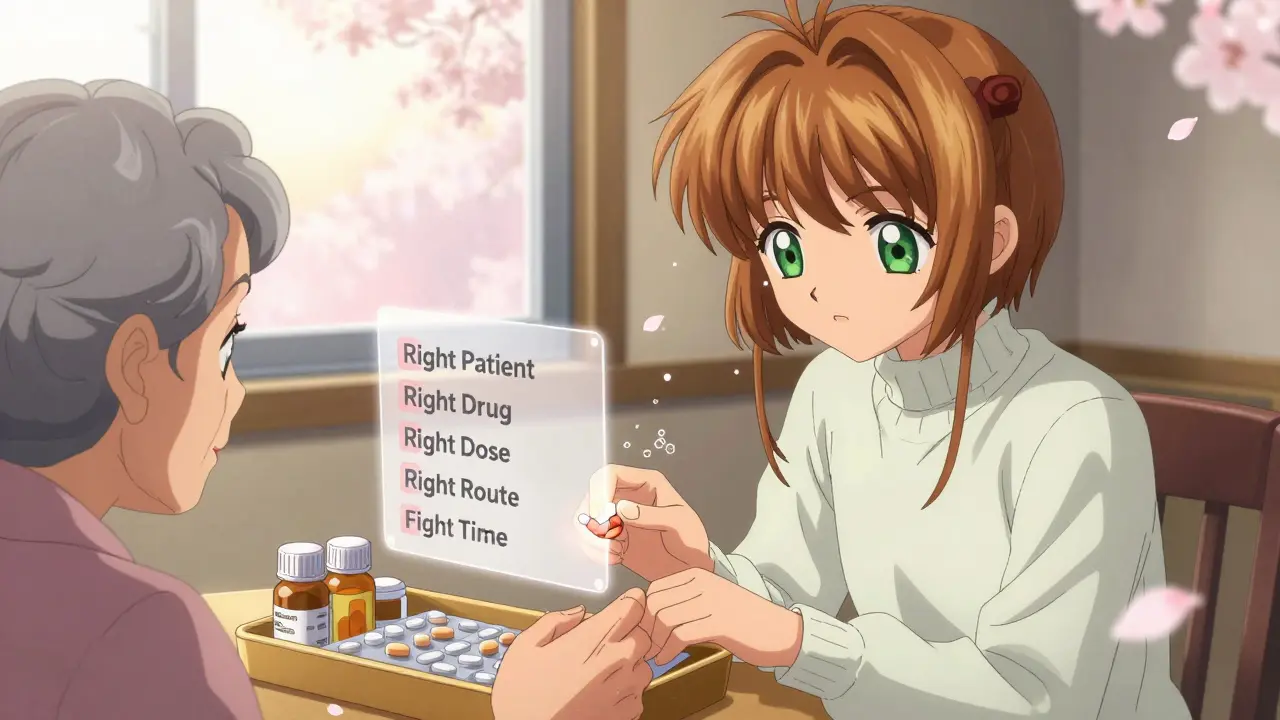
You don’t need medical training to catch errors. You just need to know what to look for. Start with the Five Rights - a simple checklist used by nurses and pharmacists:- Right patient - Is this medication labeled for your loved one? Double-check the name and date of birth on the bottle.
- Right drug - Does the pill look like the one they’ve taken before? Use a pill identifier app or call the pharmacy if it looks different.
- Right dose - Is it the exact amount prescribed? A 5mg tablet isn’t the same as a 10mg one. Don’t assume.
- Right route - Is it supposed to be swallowed, inhaled, injected, or placed under the tongue? Never guess.
- Right time - Was it given at the exact time on the schedule? A 30-minute delay can be dangerous with some drugs.
Also watch for these red flags:
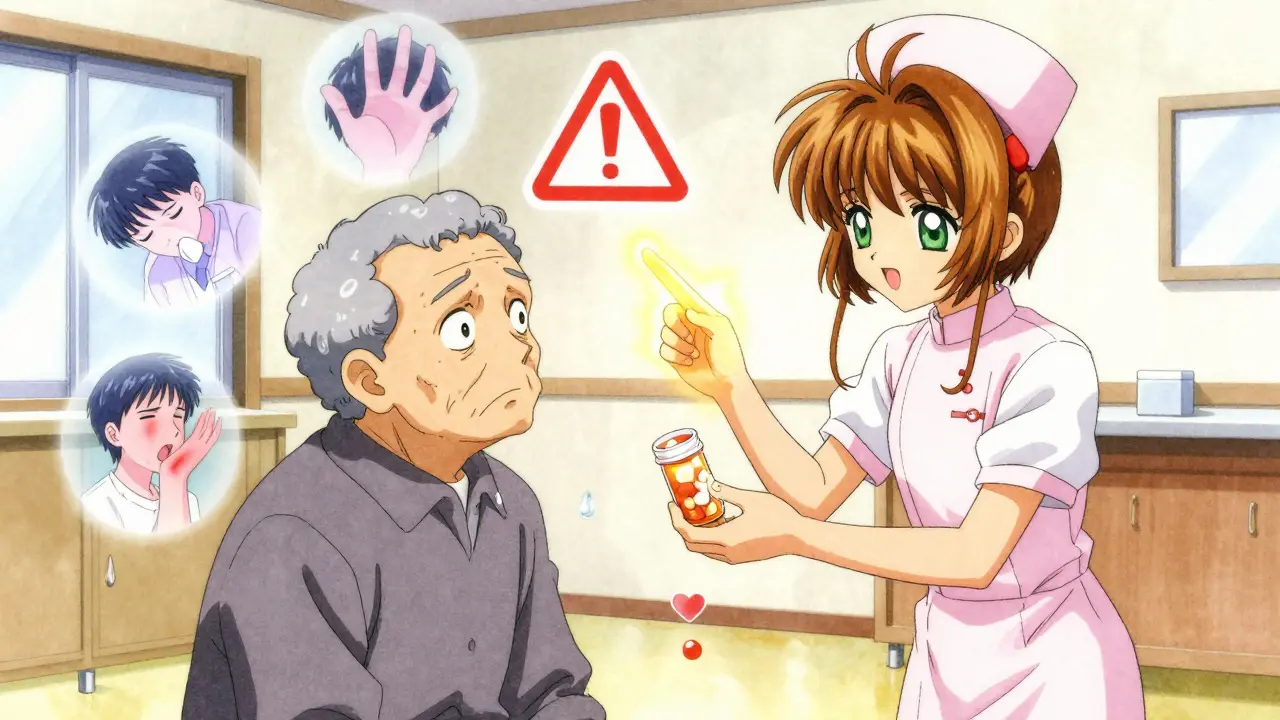
- Sudden confusion, dizziness, or falls - especially after a new prescription.
- Unexplained bruising or bleeding - a sign of blood thinner overdose.
- Loss of appetite, nausea, or vomiting - possible signs of drug toxicity.
- Changes in urination or swelling in the legs - could mean kidney or heart issues from drug interactions.
One family noticed their mother started falling more after a new painkiller was added. The doctor said it was "just aging." But when they checked the label, they realized she was getting two different painkillers with the same active ingredient - double the dose. That’s a classic error.
What to Do When You Find a Mistake
If you catch an error, don’t wait. Don’t hope it was a one-time thing. Act fast.Step 1: Stop the medication immediately - If it’s life-threatening (like an overdose of blood thinner or insulin), call 911 or take them to the ER. Don’t wait.
Step 2: Call the prescribing doctor - Even if the error seems minor, the doctor needs to know. They may need to adjust the entire medication plan. Keep a written note of what happened: date, time, drug, dose, and what you observed.
Step 3: Document everything - Write down:
- What you saw (e.g., "Gave 10mg of warfarin at 8 AM instead of 5mg").
- Who gave the medication (if known).
- What the person felt afterward.
- Any changes in behavior or symptoms.
This isn’t just for your peace of mind. It’s your evidence.
How to Report It Properly
Reporting isn’t about blaming someone. It’s about fixing the system so it doesn’t happen again.For nursing homes: Use the Long-Term Care Ombudsman Program. Call 1-800-677-1116. They’re federally funded advocates who investigate complaints confidentially. Families who report to ombudsmen see resolution within 72 hours in over two-thirds of cases.
For hospitals: Ask for the patient safety officer. Most hospitals have a formal incident reporting system. You can report anonymously if you’re worried about retaliation.
For all settings: Report serious adverse events to the FDA MedWatch program. This is for life-threatening reactions, overdoses, or dangerous drug interactions. You can file online at www.fda.gov/medwatch or call 1-800-FDA-1088.
For life-threatening emergencies: Call the National Response Center at 1-800-332-1088. This is for immediate, urgent cases like overdose or poisoning.
Don’t be afraid to push. One family on Reddit shared how the nursing home refused to file a report after their mother got double the dose of blood pressure medication - until they threatened to contact the state ombudsman. That’s when the facility finally acted.
Why Reporting Matters
Most medication errors go unreported. Why? Staff fear punishment. Families think no one will listen. But here’s what happens when you report:- 83% of voluntary reports (like those to MEDMARX) lead to changes in how drugs are handled.
- Hospitals using standardized reporting systems reduce medication errors by 92% compared to those that don’t.
- Facilities that get flagged for errors are required to fix their processes - or face fines. The 2023 Nursing Home Reform Act now imposes $10,000 penalties per unreported serious error.
It’s not about getting someone fired. It’s about making sure the next person doesn’t get hurt.
Prevention Tools That Work
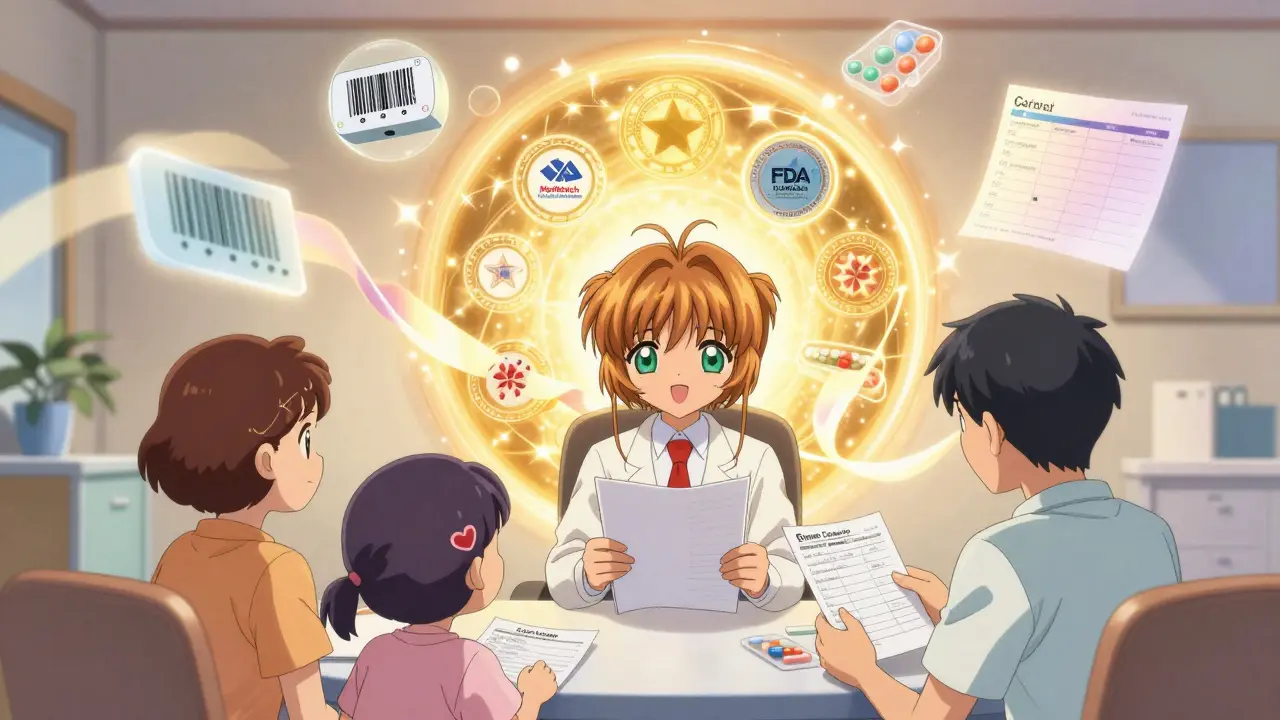
Technology is helping, but it’s not perfect. Here’s what’s actually working:- Barcode medication administration - Scanning a patient’s wristband and the pill before giving it cuts errors by 86%.
- Computerized prescribing systems - When doctors enter orders electronically instead of writing them by hand, errors drop by 48%.
- Medication reconciliation - When a patient moves from hospital to nursing home, a pharmacist reviews every single drug and removes duplicates or conflicts. This alone prevents 67% of adverse events in seniors on five or more meds.
- Teach-back method - Ask the patient or caregiver to explain how to take the drug in their own words. If they can’t, the instructions weren’t clear. This prevents 76% of errors in those with low health literacy.
The biggest gap? Nursing homes. Only 55% have barcode systems. Hospitals? Over 86%. That’s why seniors in long-term care are at much higher risk.
What You Can Do Today
You don’t need to wait for a crisis. Start now:- Keep a written list of every medication your loved one takes - including over-the-counter pills, vitamins, and supplements.
- Review it with their pharmacist every 3 months. Pharmacists catch more errors than doctors.
- Ask: "Is this drug on the Beers Criteria?" That’s the list of medications doctors are told to avoid in seniors. Over 43% of Medicare patients are still getting these risky drugs.
- Visit during medication times. Watch how pills are given. Don’t be shy.
- Know your rights. You have the right to see medical records, to ask questions, and to report concerns without fear.
Medication safety isn’t just a job for doctors and nurses. It’s a family responsibility. The system is broken in places - but your attention can fix it for someone you love.
What’s the most common medication mistake in elderly patients?
The most common mistake is giving the wrong dose - either too much or too little. This accounts for over 42% of all medication errors in nursing homes and long-term care facilities. It’s especially dangerous with drugs like blood thinners, insulin, and heart medications, where even a small difference can cause serious harm.
How can I tell if my elderly loved one is getting the wrong medication?
Look for sudden changes in behavior - confusion, dizziness, falls, nausea, or unusual bruising. Check the pill bottles: Does the color, shape, or label match what they’ve taken before? Use a pill identifier app or call the pharmacy. Also, check for duplicate drugs - like getting both Tylenol and a cold medicine that also contains acetaminophen. That’s a silent overdose risk.
Do I need proof to report a medication error?
No. You don’t need proof - just reasonable suspicion. Reporting is meant to trigger an investigation, not prove guilt. If you believe a mistake happened, report it. The ombudsman, FDA, or hospital safety team will investigate. Many reports are based on observation alone. Your concern is enough to start the process.
Can I report a medication error anonymously?
Yes. The FDA MedWatch program and the MEDMARX reporting system allow anonymous reports. The Long-Term Care Ombudsman Program also protects your identity. You don’t have to give your name to get help or trigger an investigation. However, providing contact info helps them follow up if they need more details.
What happens after I report a medication error?
The facility or agency will review the report, investigate what happened, and often make changes to prevent future errors - like retraining staff, updating procedures, or adding barcode scanning. In nursing homes, repeated failures can lead to fines, loss of funding, or even closure. The goal isn’t punishment - it’s improvement. Most organizations that receive reports fix their systems within 90 days.
Are there tools to help prevent medication errors at home?
Yes. Use a pill organizer with alarms, keep a written medication list updated, and review it with a pharmacist every few months. Ask for a medication reconciliation when your loved one moves between care settings. Apps like Medisafe or MyTherapy can track doses and alert you if a pill is missed or doubled. The Beers Criteria list is free online - check if any of their meds are on it.