

Receiving a new organ is life-changing, but it introduces a complex trade-off. Your body must stay suppressed enough to accept the gift, yet strong enough to fight off invaders. Balancing these two forces defines the first years after you leave the hospital. Many patients worry less about the surgery itself and more about catching a simple cold months later, fearing it could derail the whole process. Post-Transplant Infection Management is a critical aspect of long-term health maintenance for recipients. This field focuses on preventing opportunistic diseases that take advantage of weakened defenses.
The risk isn’t static. It changes as time passes. In the immediate aftermath, your team fights viruses like CMV or fungi like Aspergillus aggressively. Later, when your medicine dose lowers, you face the same germs as everyone else, just with slightly lower resistance. Understanding this timeline helps you stop worrying about every sneeze while remaining vigilant about the real threats that matter most right now.
The Timeline of Infection Risk
You don’t have the same exposure profile forever. Medical professionals break down the risk into three distinct windows to tailor their protection strategies. During the first month, the biggest concerns come from bacteria and viruses already present in your body before the procedure. The stress of surgery opens doors that were previously closed.
From months one to six, the immunosuppression peaks. This is the danger zone for opportunistic infections that healthy people rarely encounter. These pathogens are usually dormant but wake up when your immune system gets too quiet. Cytomegalovirus (CMV) often reactivates here, causing fever, fatigue, and organ stress. If left unchecked, it increases the chance of acute rejection significantly. The risk of Pneumocystis pneumonia, though rare with modern drugs, also sits highest during this window.
Six months and beyond brings the third phase. Your immune function slowly recovers, but you remain more vulnerable than the general population for years. Community-acquired infections, like the flu or common bacterial pneumonias, become the primary concern again. Late-onset viral infections can still strike, particularly if you stop taking your prophylactic pills too soon.
Medication Strategies for Defense
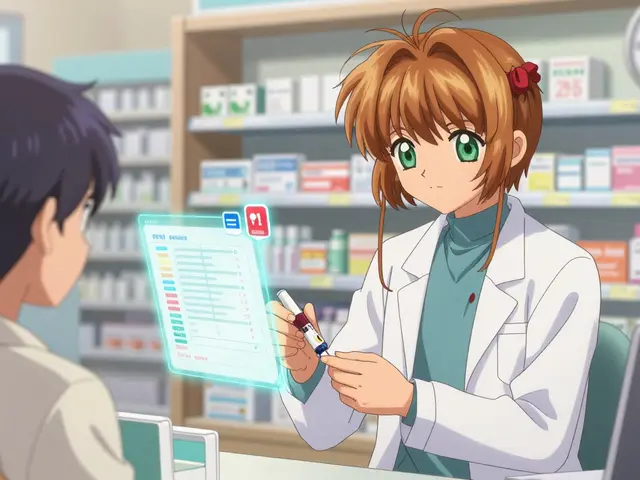
You cannot rely solely on antibodies alone to survive this initial recovery phase. Doctors prescribe specific “shield” medications designed to keep known enemies at bay until your natural defenses return. These aren’t antibiotics taken when you feel sick; they are preventive measures started before any symptoms appear. Think of them as a temporary security system installed while you rebuild your own locks.
For viral threats, antiviral agents are the workhorse of prevention. Acyclovir and its cousins, valacyclovir or ganciclovir, target herpes family viruses like HSV and VZV. Patients typically take these for a short window, perhaps one to three months, to prevent shingles or severe cold sores from developing. For the more serious CMV threat, protocols depend heavily on your donor status. If the donor had the virus and you did not, you face the highest risk. In these cases, universal prophylaxis with valganciclovir is standard practice.
Infection Target
Mechanism
Duration
Typical Drug
Herpes Viruses
Inhibits DNA replication
1-3 Months
Acylovir / Valacyclovir
Cytomegalovirus (CMV)
Blocks viral polymerase
3-6 Months
Valganciclovir
Fungal Pneumonia
Disrupts cell membranes
Variable
Bactrim / Co-trimoxazole
Beyond individual tablets, there are protocols for invasive lines. Central lines are lifelines in the hospital but create direct highways for bacteria into the blood. To combat Central Line-Associated Bloodstream Infection, known as CLABSI, teams use chlorhexidine-impregnated dressings and strict bathing routines. Even small changes, like swapping dressing material, have been shown to cut these infection rates significantly in intensive care units.

Vaccination Strategies Before and After
Timing is everything when dealing with live vaccines. You might wonder why doctors hesitate to give you a standard shot. The issue lies in your immune system’s ability to mount a safe response. Live vaccines contain weakened versions of a virus to train your body; in a highly suppressed state, that weakened virus can grow and make you ill. Because of this risk, the golden rule remains: get vaccinated before the transplant whenever possible.
If you missed shots before, the rules shift once you are home. Once you reach the six-month mark, your tolerance for inactivated vaccines improves. Flu shots, pneumococcal vaccines, and Tetanus boosters fall into this safe category. However, you must avoid live attenuated vaccines like MMR or Varicella indefinitely after the transplant, regardless of how well you feel. Your team tracks your immunity levels through blood tests to see which exposures you can handle.
This strategy extends beyond you. Family members play a vital role in your protection, a concept doctors call “cocooning.” By ensuring everyone around you is up to date with influenza and routine childhood vaccines, you drastically reduce the pathogen load entering your home environment. It creates a buffer zone where the virus is stopped before it ever reaches your doorstep.
Lifestyle Changes That Protect You
Your daily choices carry more weight now than they did before. Food safety becomes a science experiment you run in your kitchen every day. Avoiding raw seafood, unpasteurized cheeses, and undercooked meats isn’t about preference anymore; it’s about avoiding Listeria and Salmonella. These bacteria, often ignored by others, can cause fatal illness in someone whose white blood cells aren’t firing on all cylinders.
Environmental awareness matters too, especially depending on where you live. Certain regions have higher risks for fungal spores found in soil or bat droppings. If you spend time gardening or renovating, wearing a mask is essential to prevent inhaling particles that could lead to histoplasmosis. Even cleaning pet litter boxes requires gloves or delegation, as cat feces can transmit Toxoplasma gondii. The emotional benefit of pets shouldn’t be discarded, but management protocols need adjustment.
Hygiene habits also need to upgrade. Hand washing remains the single most effective tool against respiratory viruses, which are the most common reason for emergency visits later on. Alcohol-based sanitizers work well, but soap and water are superior for removing certain biological contaminants. When crowds gather or flu season hits, consider wearing an N95 respirator in high-risk settings rather than cloth masks, offering better filtration for the tiny viral particles floating in the air.

Monitoring and Surveillance Systems
Catching an infection early often means spotting signs in the lab before you even feel symptoms. Modern monitoring has moved away from waiting for a fever. Instead, we use sensitive tools like Quantitative PCR to measure viral DNA loads directly in your bloodstream. This allows for preemptive therapy, starting medicine exactly when the virus wakes up but before it causes damage to your new kidney or liver.
Fungal surveillance uses biomarkers like galactomannan. This test acts as an alarm bell for invasive mold infections like Aspergillosis. Similarly, screening for resistant bacteria has become crucial due to the rise of multidrug-resistant organisms (MDROs). Some hospitals now do weekly checks for these hardy bugs, allowing them to isolate patients or change treatment plans before an outbreak occurs.
Bloodwork tells part of the story, but physical signs matter just as much. Watch for subtle shifts in graft function, like a slight rise in creatinine, which might hint at an underlying viral attack. Regular checkups serve as checkpoints where clinicians review these metrics alongside your symptom history. Being proactive about reporting low-grade fevers or unexplained fatigue saves your medical team from having to guess what is happening.
Emerging Treatments and Future Directions
The field doesn’t stand still. We are currently exploring ways to restore natural barriers in your body to fight germs. One exciting area involves microbiome modulation through Fecal Microbiota Transplantation, or FMT. Studies suggest this technique repopulates the gut with healthy bacteria that can outcompete dangerous ones, reducing the need for harsh antibiotics.
Research into anti-adhesion therapies is also gaining momentum. Instead of killing bacteria, these treatments stop them from sticking to your tissues in the first place. Imagine a shield that prevents E. coli from adhering to your urinary tract. While not commercially widespread yet, trials are showing promise in recurrent urinary tract infections, a major nuisance for transplant recipients.
We are closer than ever to CMV vaccines. Several candidates are currently under investigation to help prime your immune system without the side effects of lifelong drug regimens. Until those become widely available, the balance of suppression and vigilance remains your primary job description. As our understanding of personalized immunity grows, these blanket protocols will eventually evolve into tailored prescriptions that adjust daily based on your immune function.
Can I receive the flu shot after my transplant?
Yes, inactivated influenza vaccines are generally safe and recommended starting 6 months post-transplant. However, you must avoid the nasal spray version (FluMist) because it contains live virus. Consult your provider for specific timing based on your current immunosuppression levels.
What foods should I avoid completely after a transplant?
You should avoid raw or undercooked meat, seafood, and eggs. Unpasteurized dairy products, smoothies from juice bars, and pre-cut fruits from deli counters also pose risks due to potential bacterial contamination. Thorough cooking is your best defense.
How do I know if I have CMV?
Symptoms can include fever, fatigue, night sweats, muscle pain, and elevated liver enzymes. Diagnosis relies on blood tests measuring CMV DNA levels via PCR. Don’t wait for severe symptoms; regular monitoring catches the rise in viral load early.
Is it safe to travel internationally after a transplant?
Travel is possible but requires extensive planning. You should avoid destinations with malaria or high rates of infectious disease within the first year. Always discuss specific region risks with your transplant coordinator before booking tickets to ensure you have necessary prophylactic medications.
Do dogs and cats pose a risk to transplant patients?
Pets can provide comfort but carry zoonotic risks. You should avoid cleaning litter boxes yourself. Be cautious with pets that roam outdoors or hunt, as they may carry ticks or parasites. Keep pets indoors when possible and wash hands after contact.




12 Comments
Arun Kumar
April 2, 2026 AT 11:12As someone who's walked this path myself, I truly appreciate how comprehensive this guide is! The timeline breakdown really helps demystify what we're going through in those first few months after transplant surgery.
Cara Duncan
April 2, 2026 AT 22:59The part about vaccination timing before and after transplant opened my eyes to so many things I didn't know! 😊 It's scary how something as simple as a flu shot requires such careful consideration.
I've been sharing this article with family members because they need to understand the cocooning concept better. We all have to play our parts in protecting our loved ones!
Owen Barnes
April 3, 2026 AT 23:17This medical information appears quite thorough regarding prophylactic regimens
Callie Bartley
April 5, 2026 AT 22:44Honestly the whole process seems overly cautious sometimes but I get why it matters. People don't realize how fragile the system becomes until they're actually living with it every single day.
Russel Sarong
April 7, 2026 AT 00:55The discussion about monitoring viral loads through quantitative PCR represents a significant advancement in how we track immunity! Those tests can catch problems weeks before any symptoms even appear!! This changes everything about early detection capabilities!!!
I'm amazed by how much technology has improved patient outcomes in transplant medicine over the past decade.
Christopher Beeson
April 7, 2026 AT 16:44The philosophical implications of balancing immunosuppression against infection risk reveal humanity's precarious position between vulnerability and survival. Perhaps true strength lies not in immunity alone but in strategic surrender to medical wisdom while maintaining vigilance.
Modern medicine forces us to confront uncomfortable truths about bodily autonomy and external dependency. We must become philosophers of our own biology, understanding when defense means restraint rather than resistance.
The tension between preventing rejection and enabling infection creates an existential paradox at the heart of transplantation. This balance demands constant awareness, a meditation on risk that never concludes.
Perhaps future therapies will resolve these conflicts, granting patients freedom without sacrificing safety. Until then, we remain students of medicine, learning daily lessons in biological negotiation and measured trust.
What emerges is a profound respect for scientific intervention, acknowledging both its limitations and revolutionary potential in extending life beyond natural constraints. Our relationship with health transforms from assumption into deliberate construction, requiring perpetual education and conscious participation in survival itself.
James DeZego
April 8, 2026 AT 14:33Food safety guidelines are crucial here - many patients underestimate how everyday choices impact infection risk. I've found that educating friends about unpasteurized dairy risks saves countless hospital visits!
Sharon Munger
April 9, 2026 AT 21:27great info thanks for posting this detailed resource. the medication timelines help alot with planning ahead and knowing what to expect during recovery periods
Rocky Pabillore
April 10, 2026 AT 01:24You people clearly don't understand the deeper complexities here. While this guide covers basics adequately, true expertise requires understanding how individual genetic markers affect infection susceptibility patterns. The general population lacks access to such personalized risk assessment tools unfortunately.
I suggest reading more peer-reviewed literature on HLA matching outcomes and their correlation with late-onset infections rather than relying on broad population protocols designed for average cases. Real experts know that blanket recommendations miss crucial nuance in immunocompromised populations.
Cullen Zelenka
April 10, 2026 AT 16:04I love seeing everyone share these positive experiences and learnings! This community support makes such a huge difference in managing transplant life.
Eleanor Black
April 11, 2026 AT 03:28I cannot sufficiently express my gratitude for individuals taking the time to compile such meticulously researched information regarding post-transplant infectious disease management protocols. The comprehensive nature of this educational material addresses numerous concerns that often plague newly transplanted recipients and their supportive families navigating this challenging journey forward.
It particularly resonates with me to read about environmental considerations regarding fungal spores and soil exposure, given how many recipients find themselves drawn back to gardening activities once physical strength returns after initial recovery phases conclude successfully. Wearing appropriate protective equipment like N95 respirators represents essential precautionary measures that deserve greater public awareness throughout transplant communities everywhere.
The section discussing biomarker surveillance utilizing galactomannan testing exemplifies how modern diagnostic capabilities enable proactive intervention strategies before clinical manifestations become apparent. Such technological advances represent tremendous progress in transplantation medicine offering hope for continued improvement in patient outcomes year after year following successful organ procurement procedures.
Families often feel powerless during extended hospital stays and uncertain recovery periods, however receiving structured guidance like this publication provides meaningful reassurance regarding expected recovery milestones and actionable prevention strategies available through coordinated healthcare team collaboration efforts nationwide.
I sincerely hope many more individuals benefit from accessing this valuable compilation of evidence-based recommendations spanning multiple dimensions including dietary restrictions, medication adherence schedules, vaccination timing considerations, and environmental modification suggestions tailored specifically toward protecting immunocompromised transplant recipients from opportunistic pathogenic threats.
Jenny Gardner
April 12, 2026 AT 08:56The emerging treatments section is fascinating! Microbiome modulation through FMT shows incredible promise for reducing antibiotic dependence. Looking forward to seeing these therapies become standard practice soon!!!