Imagine you’ve spent a decade and billions of dollars developing a life-saving drug. You finally get it approved by the Food and Drug Administration (FDA). Now, how do you stop generic competitors from copying your work immediately? The answer isn’t just one thing-it’s two distinct legal shields working in tandem. This is where the confusion often starts.
Patent exclusivity and market exclusivity sound similar, but they are fundamentally different tools. One is a property right granted by the government to protect an invention; the other is a regulatory barrier that prevents the FDA from approving competing drugs. Understanding this difference is critical for anyone navigating the pharmaceutical landscape, whether you’re a biotech founder, a generic manufacturer, or just curious about why some medicines stay expensive while others drop in price overnight.
The Two Keys to the Pharmaceutical Kingdom
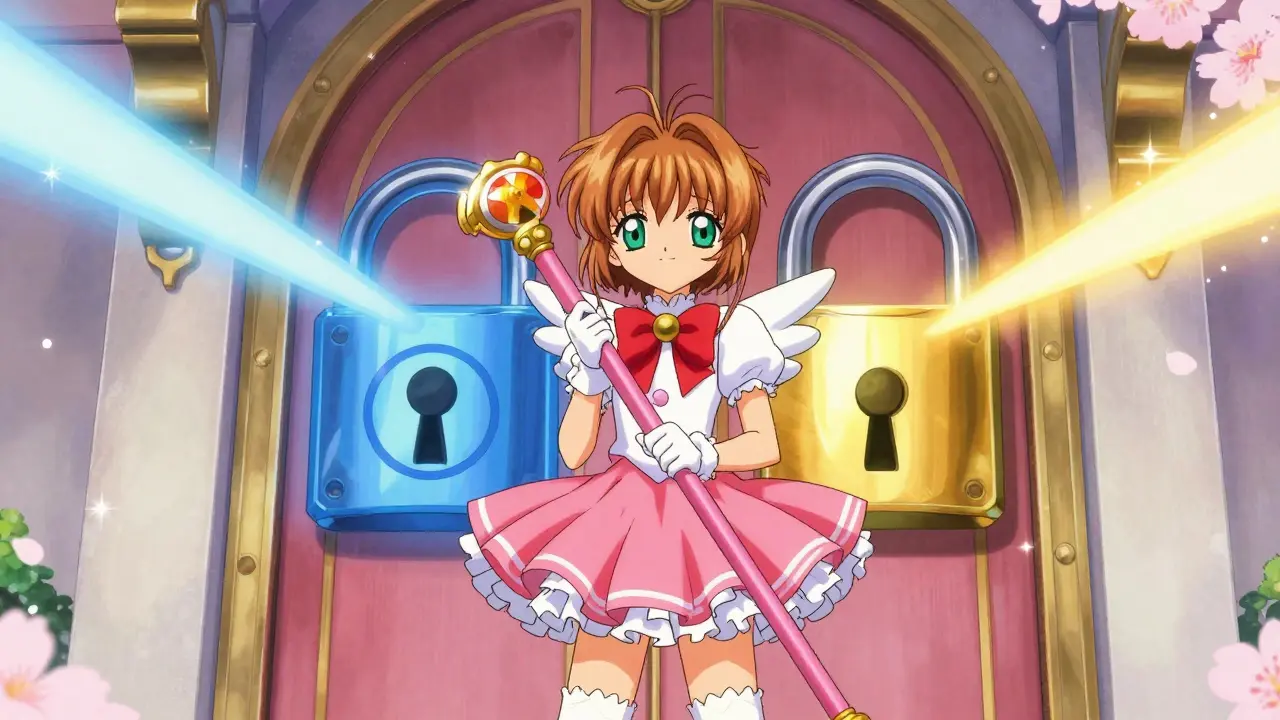
To understand the difference, think of it like a house with two locks on the front door. Patents are like the lock on the garage. They protect specific inventions-like the chemical formula or a unique manufacturing process. If someone tries to copy that invention, you have to sue them in court to enforce your rights. Patents are not self-enforcing.
Market exclusivity, on the other hand, is like the deadbolt on the front door. It’s a regulatory period during which the FDA is legally barred from even accepting applications for generic versions of your drug. You don’t need to sue anyone. The regulator simply won’t let the competition in. This distinction was solidified by the Hatch-Waxman Act of 1984, which created the modern balance between encouraging innovation and facilitating generic competition.
According to data from the FDA’s Orange Book analysis in 2021, these protections don’t always overlap. About 27.8% of branded drugs have both patent and market exclusivity. However, 38.4% rely solely on patents, while 5.2% rely only on regulatory exclusivity. This means a drug can be protected even if it has no valid patents, or vice versa.
How Long Does Each Protection Last?
The duration of protection is where things get tricky. A standard utility patent lasts for 20 years from the filing date. But here’s the catch: developing a new drug takes time. On average, it takes 10 to 15 years to develop and receive approval for a new drug, according to the Tufts Center for the Study of Drug Development. This means that without adjustments, a company might only have 5 to 10 years of actual market monopoly after approval.
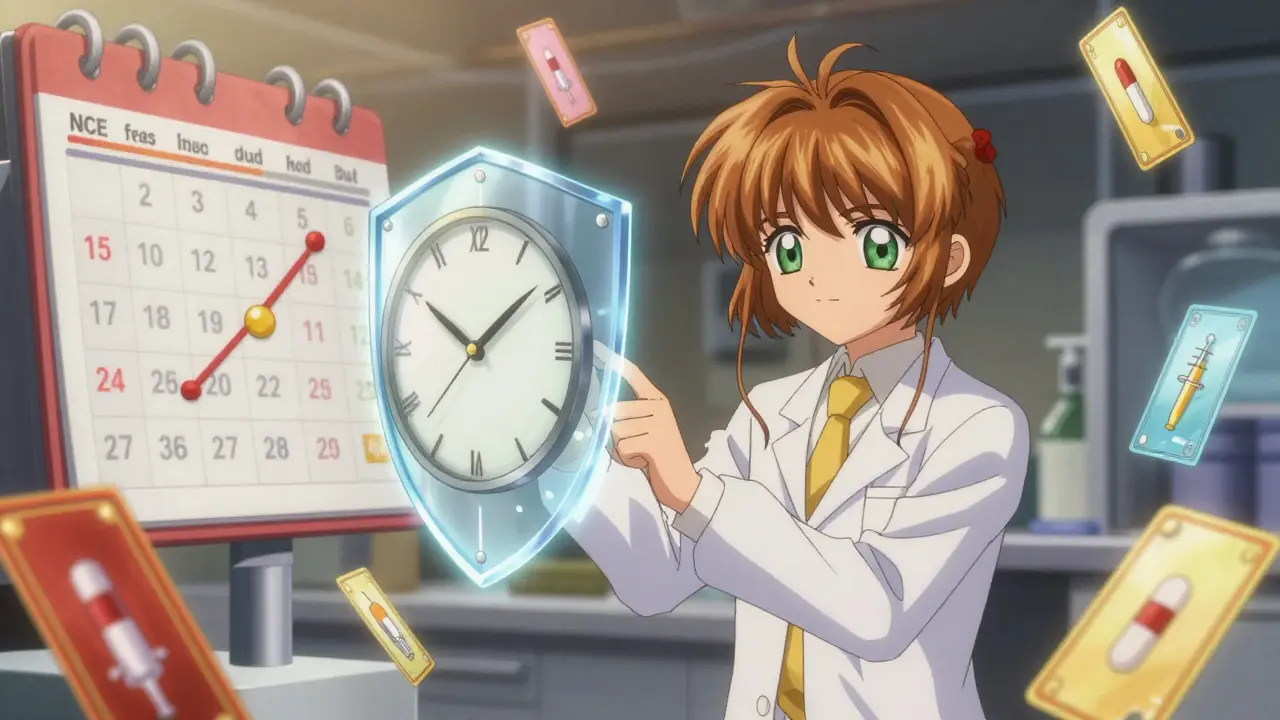
To compensate for this loss, the America Invents Act allows for Patent Term Extension (PTE). This can extend the patent life by up to 5 years, provided the total post-approval patent life does not exceed 14 years. This extension covers the time lost during clinical trials and regulatory review.
Market exclusivity periods, however, are fixed and depend on the type of drug:
- New Chemical Entity (NCE): 5 years of exclusivity. During this time, the FDA cannot accept abbreviated new drug applications (ANDAs) for generics.
- Biologics: 12 years of exclusivity under the Biologics Price Competition and Innovation Act (BPCIA) of 2009.
- Orphan Drugs: 7 years of exclusivity for drugs treating rare diseases, regardless of patent status.
- Pediatric Studies: An additional 6 months added to existing exclusivity or patent terms if the sponsor conducts requested pediatric studies.
Notice that these periods start upon approval, not filing. This makes market exclusivity more predictable for companies planning their revenue streams.
Who Enforces These Rights?
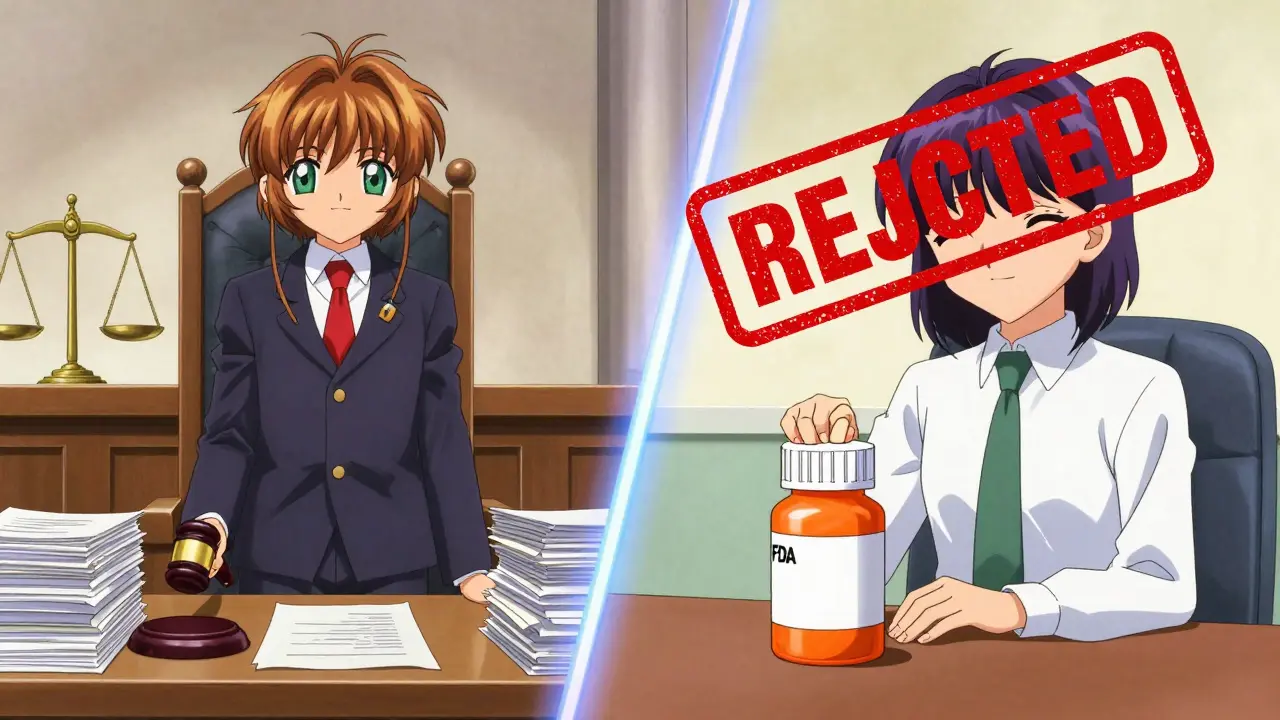
This is perhaps the most practical difference. If a competitor infringes on your patent, you must file a lawsuit. This is expensive, time-consuming, and uncertain. Legal battles over patents can last years, costing millions in legal fees. For example, Teva Pharmaceuticals faced significant delays and costs when challenging patents for the antidepressant Trintellix, despite the primary patent expiring.
In contrast, market exclusivity is enforced automatically by the FDA. If a generic company submits an application during the exclusivity period, the agency will reject it outright. There is no court battle needed. This makes market exclusivity a more immediate and certain form of protection. As Dr. Aaron Kesselheim of Harvard Medical School noted in a 2021 JAMA analysis, "patents and regulatory exclusivities function as two separate keys to the pharmaceutical market, and the absence of either key can delay generic entry."
What Exactly Is Being Protected?
Patents protect specific inventions. This could be the active ingredient (composition of matter), the method of making it, or even a new way of using an old drug (method of use). These are often called secondary patents. A single drug product might have dozens of patents covering different aspects of its development.
Market exclusivity protects the approved drug product itself. It doesn’t matter if the compound is novel or not. If you submit new clinical data to get a drug approved, you may qualify for exclusivity. This is crucial because it means a company can secure market protection for a reformulated version of an old drug, even if the original molecule is off-patent. For instance, Mutual Pharmaceutical received 10 years of regulatory exclusivity for colchicine, an ancient drug, by submitting new safety data. This allowed them to raise the price significantly, demonstrating the power of exclusivity independent of patents.
| Feature | Patent Exclusivity | Market Exclusivity |
|---|---|---|
| Granting Authority | United States Patent and Trademark Office (USPTO) | Food and Drug Administration (FDA) |
| Duration | 20 years from filing (extendable) | Varies (5-12 years) from approval |
| Enforcement | Private litigation (lawsuits) | Regulatory bar (FDA rejection) |
| Subject Matter | Specific inventions (formulas, processes) | Approved drug product |
| Novelty Required? | Yes | No (if new clinical data submitted) |
Strategic Implications for Companies
For pharmaceutical companies, understanding this dual system is essential for strategy. Many small biotech firms rely heavily on market exclusivity because obtaining strong composition-of-matter patents is difficult and expensive. According to the Biotechnology Innovation Organization, 73% of small biotech companies rely primarily on regulatory exclusivity for their lead products.
Generic manufacturers, meanwhile, look for gaps in this armor. They can challenge patents through Paragraph IV certifications, potentially gaining 180 days of exclusivity themselves if they win. This incentive has led to a surge in patent challenges. However, they must wait out any applicable market exclusivity periods before entering the market. This creates a complex timeline where generic entry might be delayed not by patents, but by regulatory bars.
The cost of navigating this system is high. Regulatory affairs managers report spending $2.5 million annually just to manage patent listings and exclusivity claims. For generic companies, challenging a patent costs an average of $8.3 million per case. These figures highlight the stakes involved in getting the timing right.
Future Trends and Changes
The landscape is shifting. The FDA has launched an Exclusivity Dashboard to increase transparency, allowing real-time tracking of all regulatory exclusivity periods. This helps generic companies identify opportunities earlier. Additionally, legislation like the PREVAIL Act proposes changes to biologics exclusivity, potentially reducing the 12-year period to 10 years. Globally, debates around TRIPS waivers for vaccines suggest that international pressure could impact both patent and exclusivity frameworks in the future.
By 2027, analysts predict that regulatory exclusivity will account for 52% of total market protection time for new drugs, up from 41% in 2020. This trend underscores the growing importance of understanding market exclusivity as a standalone protective measure.
Can a drug have market exclusivity without a patent?
Yes. Market exclusivity is granted based on regulatory submissions and clinical data, not novelty. A company can receive exclusivity for a reformulated old drug or a new indication for an existing drug, even if the underlying molecule is not patented. This happened with colchicine, which received 10 years of exclusivity despite being an ancient remedy.
Which protection is stronger: patents or market exclusivity?
It depends on the context. Patents offer longer potential protection (up to 20+ years) but require costly litigation to enforce. Market exclusivity is shorter (5-12 years) but is automatically enforced by the FDA, providing immediate and certain barriers to generic entry. Many experts consider market exclusivity more reliable in the short term due to its regulatory nature.
How does the Hatch-Waxman Act relate to these concepts?
The Hatch-Waxman Act of 1984 established the current framework for balancing patent rights and generic competition. It created the mechanism for Abbreviated New Drug Applications (ANDAs) for generics while granting market exclusivity periods to innovators. It also introduced patent term extensions to compensate for time lost during regulatory review.
What happens when both patent and market exclusivity expire?
When both protections expire, generic manufacturers can submit ANDAs, and the FDA can approve them. This typically leads to a rapid drop in drug prices as multiple generic competitors enter the market. The timing of this event is closely watched by investors and policymakers alike.
Do biologics have different exclusivity rules than small molecule drugs?
Yes. Biologics, which are large, complex molecules derived from living organisms, receive 12 years of market exclusivity under the BPCIA. Small molecule drugs (traditional chemicals) typically receive 5 years of NCE exclusivity. This longer period reflects the higher complexity and cost associated with developing and testing biosimilars.