
Drug Interaction Risk Simulator
-
No medications added yet.
Start by typing a drug name above.
You pop a morning pill for your blood pressure, grab a grapefruit juice on the way out, and take an over-the-counter painkiller at lunch. It sounds like a normal routine, but that combination could spike your blood pressure or cause dangerous bleeding. Adverse drug events send more than 1.3 million people to U.S. emergency rooms every year, with nearly half of those cases involving drug interactions. That is why millions of patients turn to online tools like WebMD’s interaction checker or search for official FDA databases before taking new medications.
But here is the catch: not all checkers are created equal, and some popular myths about who runs these tools can lead you astray. If you rely solely on a free website without understanding its limits, you might miss a critical warning-or panic over a harmless one. This guide breaks down how to use the most common digital checkers safely, explains what they actually cover, and shows you when it is time to call your pharmacist instead of refreshing the page.
The Truth About the FDA and Online Checkers
First, let’s clear up a major misconception. Many people type “FDA drug interaction checker” into their search engine expecting to land on an official government tool. The U.S. Food and Drug Administration (FDA) is the federal agency responsible for protecting public health by ensuring the safety, efficacy, and security of human and veterinary drugs. However, the FDA does not operate a public-facing, real-time drug interaction database for consumers.
Instead, the FDA oversees drug safety through post-market surveillance systems like the Adverse Event Reporting System (FAERS). They track recalls, publish safety communications, and monitor reports from doctors and patients. For example, in November 2020, the FDA issued a safety communication after documenting thiamine deficiency cases linked to the drug fedratinib-an interaction that many commercial databases missed during the drug’s initial launch phase because of update lags. While the FDA sets the rules for drug labeling, they do not run the daily screening tools you see on health websites. Knowing this helps you understand why third-party platforms vary so much in accuracy and speed.
WebMD’s Checker: Fast, Free, and Patient-Friendly
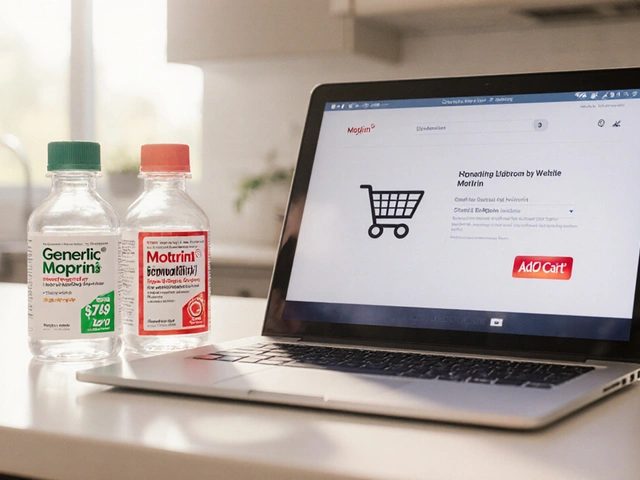
If you want a quick answer, WebMD is a leading consumer health information platform that provides a free drug interaction checker accessible without registration. Launched in the early 2000s, WebMD’s tool has become the go-to resource for millions. As of late 2023, it handled nearly 19 million monthly visits specifically for its interaction checker. It is fast-usually delivering results in under three seconds-and requires no sign-up.
WebMD screens for drug-drug, drug-food, and drug-condition interactions. The content is medically reviewed by experts like Joshua Conrad, PharmD. But there are blind spots. A 2021 University of Florida study found that 17% of WebMD’s warnings for serious conditions like serotonin syndrome lacked primary literature support. Additionally, the free checker often misses interactions involving dietary supplements due to regulatory gaps in supplement reporting. Dr. Richard H. Dana, Chief Pharmacist at Johns Hopkins Hospital, notes that while WebMD is excellent for patient education, it can be dangerous if used for clinical decision-making without verification. Use it as a first step, not a final verdict.
DrugBank: Deep Data for Complex Regimens
For those needing deeper technical details, DrugBank is a comprehensive bioinformatics and chemoinformatics resource containing detailed drug and drug target information. Founded in 2006 by researchers at the University of Alberta, DrugBank offers a limited free version that checks up to five drugs simultaneously. Unlike WebMD, it provides specific pharmacokinetic mechanisms, such as cytochrome P450 enzyme pathway details, which explain exactly how your liver processes medications.
DrugBank classifies interactions by severity: minor, moderate, or major. In a 2022 JMIR Medical Informatics study, it ranked #1 for technical depth with a score of 4.8 out of 5. However, accessibility is lower. The free tier omits pharmacogenomic interactions-those affected by your unique DNA-which impact 30-50% of patients. For hospitals and large practices, DrugBank offers an enterprise API that integrates with electronic health records (EHR) like Epic and Cerner. This costs around $1,200 per month for 10,000 queries, making it impractical for individual users but essential for clinical settings where precision saves lives.
| Feature | WebMD | DrugBank (Free) | Medscape |
|---|---|---|---|
| Cost | Free (Ad-supported) | Free (Limited to 5 drugs) | Free (Requires Registration) |
| Speed | Under 3 seconds | Varies | Fast |
| Supplement Coverage | Limited | Moderate | Better Clinical Depth |
| Technical Detail | Patient-friendly summaries | High (Enzyme pathways, citations) | Clinical focus |
| Best For | Quick patient checks | Students & Researchers | Healthcare Professionals |

Other Players: Medscape, Drugs.com, and Pillo
WebMD and DrugBank aren’t the only options. Medscape offers stronger clinical depth but requires you to create an account, which can be a barrier for casual users. Drugs.com is praised for its mobile experience, holding a 4.7 out of 5 rating on the App Store, making it easy to check interactions on the go. Then there is Pillo, a specialized app focused heavily on food-drug interactions using a patented algorithm. If you are worried about how your coffee, cheese, or leafy greens affect your meds, Pillo might be more useful than a general checker.
Each platform has trade-offs. Medscape is trusted by clinicians but less intuitive for laypeople. Drugs.com is user-friendly but may not provide the granular mechanistic data that DrugBank does. Choosing the right tool depends on whether you are managing a simple regimen or navigating complex polypharmacy.
Common Pitfalls and What These Tools Miss
Even the best databases have limitations. One major issue is the inability to account for individual patient factors. For instance, renal function affects how drugs are cleared from the body, impacting 28% of elderly patients according to a 2021 JAMA Internal Medicine study. No web checker knows your kidney health unless you input it manually, and even then, the algorithms may not adjust accurately.
Another pitfall is misinterpreting severity levels. A “moderate” interaction sounds manageable, yet a 2021 Annals of Internal Medicine study found that moderate interactions still caused 18% of preventable hospital admissions. Users often dismiss these warnings, assuming they are low-risk. Furthermore, both WebMD and DrugBank exclude certain herbals like St. John’s Wort in their comprehensive analyses, despite its potent effects on liver enzymes. Always remember: these tools screen for known combinations, but they cannot predict how your unique biology will react.
How to Use Checkers Safely: A Step-by-Step Guide
To get the most out of these tools without falling into false security, follow this practical workflow:
- Gather Everything: List all prescription drugs, over-the-counter medications, vitamins, and herbal supplements. Include brands and dosages if possible.
- Check Multiple Sources: Run your list through WebMD for a quick overview, then cross-reference with DrugBank or Medscape for technical details. Discrepancies between sources warrant a doctor’s visit.
- Include Conditions: Don’t just check drug-drug interactions. Input your medical conditions (e.g., heart failure, diabetes). NSAIDs, for example, can be dangerous for heart failure patients regardless of other meds.
- Verify High-Risk Combos: If a checker flags a “major” interaction, do not stop medication abruptly. Contact your pharmacist immediately.
- Update Regularly: Databases lag behind new drug approvals. If you start a brand-new medication (approved within the last 18 months), assume the checker might not have full data yet.
Avoid using these checkers for off-label uses, which account for 21% of prescriptions per FDA data. The algorithms are trained on approved indications, so off-label predictions are unreliable.
The Future: AI and Real-Time Updates
The landscape is shifting rapidly. By 2026, the FDA’s Digital Health Innovation Action Plan mandates “explainable AI” in certified checkers, meaning platforms must show evidence trails for their predictions. Google’s Med-PaLM 2 demonstrated 89% accuracy in predicting novel interactions in 2023 trials, hinting at smarter future tools. However, risks remain. Stanford researchers showed that large language models can hallucinate 22% of predicted interactions without proper validation. Until AI is fully vetted, human judgment remains irreplaceable.
WebMD updated its platform in late 2023 to include alerts for 1,200 new herbal compounds, and DrugBank integrated real-time FDA adverse event feeds. These improvements reduce the lag time, but they don’t eliminate the need for professional oversight.
Does the FDA have a drug interaction checker?
No, the FDA does not operate a public-facing, real-time drug interaction checker for consumers. Instead, it monitors drug safety through the Adverse Event Reporting System (FAERS) and issues safety communications. Consumers should use third-party tools like WebMD or DrugBank, but verify results with healthcare providers.
Is WebMD’s drug interaction checker accurate?
WebMD is highly accurate for common drug-drug interactions and is excellent for patient education. However, studies have shown it may miss some supplement interactions and occasionally lacks primary literature support for rare conditions. It should be used as a preliminary screening tool, not a definitive diagnostic source.
What is the difference between WebMD and DrugBank?
WebMD is designed for consumers, offering fast, easy-to-understand results for unlimited drug combinations. DrugBank is more technical, providing detailed pharmacokinetic data and enzyme pathway explanations, but its free version is limited to five drugs at a time. DrugBank is better for students and professionals; WebMD is better for quick patient checks.
Can I trust online checkers for herbal supplements?
Caution is advised. Most free checkers, including WebMD, have limited coverage of herbal supplements like St. John’s Wort due to regulatory gaps in supplement reporting. Specialized apps like Pillo may offer better food-drug insights, but always consult a pharmacist for high-risk herbal combinations.
Why do drug interaction checkers sometimes give different results?
Different platforms use varying databases, update frequencies, and severity classification criteria. Some prioritize clinical trial data, while others include case reports. Lag times in updating new drug information also cause discrepancies. Cross-referencing multiple sources and consulting a professional resolves these conflicts.