
More than 90% of vision loss from diabetes is preventable. Yet, nearly 4 in 10 people with diabetes skip their yearly eye screening. Why? It’s not because they don’t care. It’s because getting to an eye doctor can be hard-especially if you live far from a clinic, can’t take time off work, or hate the blurry vision that comes with dilation drops. But there’s a better way now, and it’s changing everything.
When Should You Get Screened? It Depends on Your Type of Diabetes
If you have type 1 diabetes, your first eye exam should happen within five years after diagnosis. After that, you need one every year-unless your doctor says otherwise. For type 2 diabetes, you should get screened right when you’re diagnosed. That’s because many people have had undiagnosed diabetes for years before they even know it, and eye damage can already be starting.
Here’s the real deal: if your eyes look normal after a full exam and your blood sugar is well-controlled (HbA1c under 7%), your doctor might stretch the next appointment to every two years. But don’t assume this applies to you. Only about 15% of patients qualify for that longer interval, and even then, it’s only if your numbers have stayed steady for at least a year.
But if you’ve been told you have early signs of retinopathy-even mild nonproliferative diabetic retinopathy (NPDR)-you’re back to yearly exams. If it’s getting worse, you might need to go every 3 to 6 months. And if you have diabetic macular edema or advanced disease, you could need checks every 1 to 2 months. Skipping even one appointment when your eyes are already damaged can mean the difference between keeping your vision and losing it.
Why So Many People Miss Their Screenings
It’s not laziness. It’s logistics.
A 2023 survey found that 68% of people with diabetes said transportation was the biggest barrier. For rural residents, the nearest eye specialist might be 50, 75, or even 100 miles away. Then there’s the cost-some insurance plans don’t cover the full exam, and copays add up. And let’s not forget the dilation drops. They blur your vision for hours. One Reddit user called it “ruining my kid’s birthday party.”
Another big problem? Misinformation. A University of Michigan study found that 58% of patients thought keeping blood sugar normal meant they didn’t need eye checks. That’s not true. Even with perfect HbA1c, you can still develop retinopathy. Genetics, how long you’ve had diabetes, blood pressure, and even your race matter. African American patients, for example, develop sight-threatening retinopathy nearly two and a half years earlier than white patients with the same blood sugar levels.
What Is Teleophthalmology-and Why It’s a Game Changer
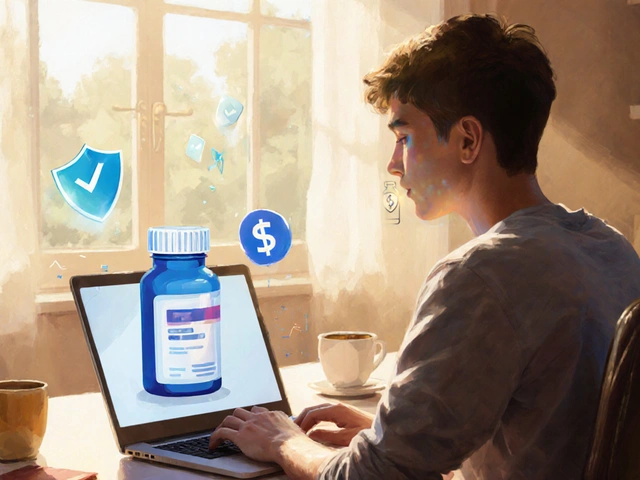
Teleophthalmology is simple: you get your retina photographed right in your primary care clinic or pharmacy, and a specialist reviews the images remotely. No travel. No dilation (sometimes). No waiting weeks for an appointment.
It’s not new. But it’s finally working. The FDA approved the first AI system for diabetic eye screening back in 2018-IDx-DR, now called LumineticsCore. It looks at retinal photos and tells you if there’s more than mild retinopathy or macular edema. In clinical trials, it caught 87% of cases that needed referral. That’s better than some human graders.
Real-world results? Even better. In Tamil Nadu, India, a teleophthalmology program screened over 15,000 people. Remote specialists agreed with in-person doctors 98.5% of the time. In the U.S. Veterans Health Administration, screening rates jumped 32% after they rolled out the system across 136 clinics.
And it’s not just for rural areas. Urban clinics are using it too. Kaiser Permanente cut missed appointments by 27% by sending automated text reminders and offering same-day retinal photos during regular diabetes visits.
What Teleophthalmology Can’t Do
Don’t get fooled. These photos don’t replace a full eye exam.
Retinal pictures only show the back of the eye. They won’t catch glaucoma, cataracts, or dry eye. They can’t check your eye pressure. They can’t tell if your optic nerve is damaged. And they can’t diagnose other diabetes-related eye problems like retinal vein occlusions.
That’s why the American Diabetes Association still says the first exam should be done by an ophthalmologist or optometrist who can dilate your pupils and do a full check. After that, if your eyes are stable, teleophthalmology can be a great follow-up tool.
Also, not all programs are equal. Some use low-quality cameras. Others have slow turnaround times. The best ones use FDA-cleared AI tools and have trained graders reviewing images within 48 hours.
The Hidden Inequality in Access
Here’s the uncomfortable truth: teleophthalmology isn’t helping everyone equally.
A 2024 Health Affairs study found clinics serving mostly Medicaid patients were 47% less likely to offer teleophthalmology than those serving private insurance patients. Why? Startup costs. Setting up a teleophthalmology station runs about $28,500. Most safety-net clinics just can’t afford it. And even when they do, insurance coverage is spotty. Only 63% of private insurers paid for it in 2024. Medicare does-but Medicaid doesn’t always.
That means the people who need it most-low-income, rural, and minority communities-are still stuck with the old system: long drives, long waits, and missed appointments.
What’s Next? Personalized Screening
The future isn’t “once a year” for everyone.
The T1D Exchange is testing a new algorithm that uses 17 risk factors-not just HbA1c-to predict who’s at low risk for fast-progressing eye disease. If you’re young, have had diabetes for less than 10 years, have no high blood pressure, and your retinal photos are clean for two years in a row? You might only need screening every three years.
That’s a big shift. And it’s coming fast. In 2022, only 8% of Medicare diabetes screenings used AI. By 2025, that number jumped to 22%. More clinics are adopting it. More insurers are covering it. And more patients are actually showing up.
What You Should Do Right Now
If you have diabetes, here’s your action list:
- Call your doctor and ask: “When was my last eye screening, and what did it show?”
- If you haven’t had one in over a year, schedule it. Even if you feel fine.
- Ask if your clinic offers teleophthalmology. If they do, get screened during your next diabetes visit.
- If they don’t, ask if they can refer you to a nearby program. Many pharmacies and community health centers now offer retinal photography.
- Keep your HbA1c under 7%, control your blood pressure, and don’t smoke. These do more for your eyes than any eye drop ever will.
Diabetic eye disease doesn’t hurt until it’s too late. That’s why screening isn’t optional. It’s survival.
How often should I get a diabetic eye screening?
Most people with diabetes need a screening every year. If you have type 1 diabetes, start within 5 years after diagnosis. If you have type 2, get screened right away. If your eyes are healthy and your blood sugar is well-controlled, your doctor might extend the interval to every two years. But if you have any signs of retinopathy, you’ll need more frequent checks-every 3 to 6 months, or even monthly if your condition is advanced.
Can teleophthalmology replace my yearly eye exam?
No, not for your first exam. A full dilated eye exam by an ophthalmologist or optometrist is still needed to rule out other eye conditions like glaucoma or cataracts. But after your initial exam, if your eyes are stable, teleophthalmology using retinal photos and FDA-approved AI tools can be used for follow-ups. It’s a great way to catch problems early without the hassle of travel or dilation.
Is teleophthalmology accurate?
Yes, when done right. FDA-approved systems like LumineticsCore have been shown to detect more than mild diabetic retinopathy with 87% sensitivity and 91% specificity. In large real-world studies, remote specialists agreed with in-person doctors over 98% of the time. But accuracy depends on image quality and trained reviewers. Not all teleophthalmology programs are created equal.
Why do I need screening if my vision is fine?
Diabetic retinopathy doesn’t cause symptoms until it’s advanced. By the time you notice blurry vision or floaters, damage may already be permanent. That’s why screening is called “preventive”-it finds problems before you feel them. Studies show people who skip screenings are 23 times more likely to lose vision.
Does insurance cover teleophthalmology?
Medicare covers it. Most private insurers do too-but not all. In 2024, only 63% of private plans covered teleophthalmology screenings. Medicaid coverage varies by state. Always check with your insurer before scheduling. If you’re told it’s not covered, ask if your provider can bill it under a different code or if it’s included in your diabetes care package.
What if I can’t afford screening?
Many community health centers, pharmacies, and nonprofit programs offer free or low-cost diabetic eye screenings. The American Diabetes Association has a directory of free screening events. Some teleophthalmology providers partner with local clinics to offer screenings at no cost to patients. Don’t assume it’s too expensive-ask. Vision loss from diabetes is far costlier than a single screening.



15 Comments
Beth Templeton
January 6, 2026 AT 20:03So let me get this straight-we’re using AI to diagnose eye damage but still can’t fix the fact that poor people can’t get to a clinic? Brilliant.
Tiffany Adjei - Opong
January 8, 2026 AT 19:25I mean sure, AI is great, but have you seen the quality of some of these retinal photos? My cousin’s screening came back "normal"-turns out the camera was pointed at the ceiling. Teleophthalmology isn’t magic, it’s just cheaper.
Ryan Barr
January 9, 2026 AT 22:43The fact that you need an ophthalmologist for the first exam is obvious. Anyone with a medical degree knows this. The real innovation is that we’re finally admitting AI can outperform some human graders.
Dana Termini
January 11, 2026 AT 17:46I’ve been diabetic for 12 years and never missed a screening. It’s not hard. It’s not expensive. It’s just something you do because you care about your body. If you’re skipping it, ask yourself why.
Lily Lilyy
January 12, 2026 AT 20:11You deserve to see your grandchildren grow up. One simple photo can make all the difference. Please don’t wait until it’s too late. Your eyes are worth it.
Susan Arlene
January 13, 2026 AT 10:16i just got screened last week at the pharmacy. no dilation. no wait. just a flash and bam. they texted me in 2 days. its wild how easy it is now. why didnt we do this 10 years ago
Rachel Wermager
January 14, 2026 AT 06:58The sensitivity and specificity metrics for LumineticsCore are statistically significant (p < 0.001), but the real-world PPV is heavily confounded by imaging artifacts and inter-rater variability in non-FDA-certified settings. Most community clinics lack the calibration protocols to maintain diagnostic fidelity.
Katie Schoen
January 15, 2026 AT 12:07I used to hate dilation. Now I get my photo taken while waiting for my insulin refill. No more ruined birthday parties. No more missing work. And yes, I still see my ophthalmologist yearly-just not for the photo.
Cam Jane
January 15, 2026 AT 20:10If you’re reading this and you’ve been putting off your eye screening because you think you’re fine-stop. You’re not. Diabetic retinopathy doesn’t warn you. It just steals your vision quietly. I’ve seen it happen to my brother. He didn’t notice until he couldn’t read his grandkid’s handwriting. Don’t be him. Schedule it. Today. Right now. Your future self will thank you.
Amy Le
January 16, 2026 AT 00:27America spends billions on AI to fix healthcare problems we created by letting insurance companies run everything. Meanwhile, in India, they’re doing it right-with community health workers and zero bureaucracy. We’re not behind because of tech. We’re behind because we don’t care enough.
Stuart Shield
January 17, 2026 AT 01:45I’m from the UK and we’ve had this for years. NHS does it free, no questions. My mate’s mum got screened at the local library-yes, the library. They had a camera and a nurse. No one cried. No one drove 80 miles. It just happened. Why can’t we do that here?
Mukesh Pareek
January 18, 2026 AT 18:34You people are so naive. AI doesn’t replace expertise. It replaces accountability. In India, they use these systems because they have no ophthalmologists. In America, we use them because we don’t want to pay for real care. This isn’t progress-it’s privatization with a shiny interface.
Jeane Hendrix
January 20, 2026 AT 14:05so i just asked my doc about teleophthalmo and they said they dont have it but maybe in 2025? but i have medicaid... and i live 40 miles from the nearest clinic... and my car broke down... and i dont have childcare... what do i do??
Tom Swinton
January 21, 2026 AT 04:00I just want to say-thank you. This article is the most clear, honest, and urgent thing I’ve read about diabetes care in years. I’ve been skipping my screenings because I thought if my sugar was good, I was fine. I didn’t know about the racial disparities, the missed appointments, the fact that dilation ruins family time. I’m scheduling mine tomorrow. And I’m telling everyone I know. This isn’t just medical advice-it’s a lifeline.
Leonard Shit
January 22, 2026 AT 17:16i got my photo taken last week. the tech said "no signs of retinopathy" but my screen was kinda blurry. i think the camera was dusty. but i still felt better. maybe its placebo. maybe its hope. either way, i’m coming back next year.