
Alcohol & Diabetes Risk Assessor
Your Risk Assessment
Calculating...Personalized Recommendations:
Imagine you are at a party, enjoying a drink with friends. You feel a bit dizzy, your speech gets slightly slurred, and your friends assume you are just having too much fun. But what if that dizziness isn't from the alcohol? What if it is your blood sugar crashing to dangerous levels? This scenario is more common than you might think for people managing diabetes, a chronic condition affecting millions worldwide. The intersection of alcohol consumption and diabetes management is complex, carrying risks that go far beyond simple calorie counting. When you mix alcohol with diabetes medications, you invite two major threats: severe hypoglycemia (low blood sugar) and increased stress on your liver.
The Hidden Danger: Why Alcohol Triggers Low Blood Sugar
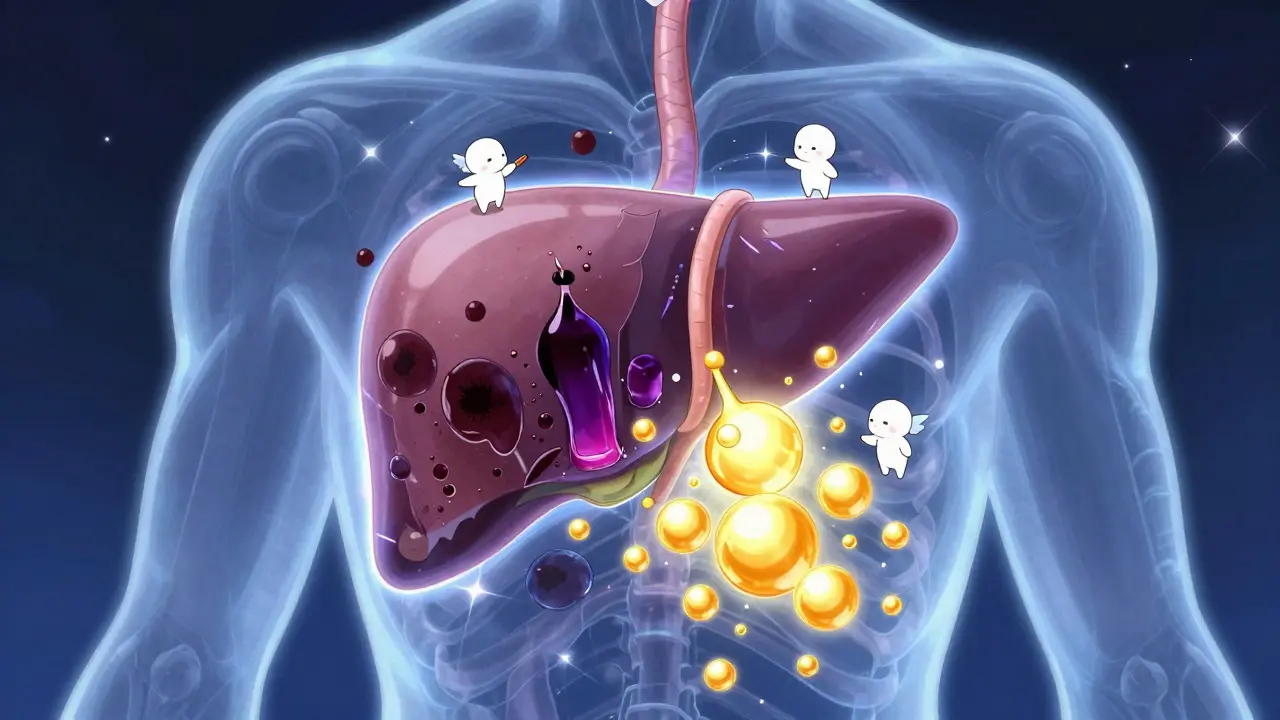
To understand why alcohol is tricky for diabetics, you need to look at what your liver does. Your liver acts like a glucose reservoir. When your blood sugar drops, the liver releases stored glycogen to keep your levels stable. However, when you drink alcohol, the liver treats it as a toxin. It prioritizes metabolizing the alcohol over maintaining your blood glucose levels. This pause in glucose release can cause your blood sugar to plummet, sometimes hours after your last sip.
This risk is particularly high if you take insulin or sulfonylureas (such as glipizide or glyburide). These medications work by stimulating insulin production or adding insulin to your system. When combined with alcohol’s liver-blocking effect, the result can be a rapid drop in glucose. The American Diabetes Association identifies this interaction as one of the biggest concerns for patients on these regimens.
A terrifying aspect of this interaction is the symptom overlap. Symptoms of low blood sugar-confusion, drowsiness, slurred speech, and difficulty walking-look exactly like signs of intoxication. If you pass out due to hypoglycemia, friends or family might assume you are just drunk and let you sleep it off. Meanwhile, your brain is starving for glucose. This confusion can delay critical treatment, turning a manageable situation into a medical emergency.
Metformin and the Gut-Liver Connection
If you take metformin, the most commonly prescribed medication for type 2 diabetes, the story changes slightly but remains serious. Metformin itself rarely causes hypoglycemia because it doesn’t force your body to produce extra insulin. Instead, its main interaction with alcohol involves gastrointestinal distress and liver function.
Both alcohol and metformin can irritate the stomach lining. Mixing them often intensifies side effects like nausea, vomiting, abdominal pain, and loss of appetite. If you vomit, you lose carbohydrates, which can indirectly lead to lower blood sugar if you haven’t eaten enough to compensate. More importantly, both substances put stress on the liver. While rare, combining heavy alcohol use with metformin increases the risk of lactic acidosis, a serious buildup of lactic acid in the blood that requires immediate hospital care.
It is also worth noting that in recent years, regulatory bodies like the FDA have monitored metformin formulations closely due to trace impurities. While not directly related to alcohol, this highlights the importance of liver health and medication quality. A stressed liver has less capacity to process toxins and medications efficiently, making the combination of alcohol and metformin a double burden on this vital organ.
Liver Health: The Silent Strain
Your liver is the central hub for processing both drugs and alcohol. It uses specific enzymes, such as CYP2E1 and CYP3A4, to break down substances. When you consume alcohol regularly, these enzymes become occupied. This can alter how your body metabolizes diabetes medications, potentially making them less effective or increasing their side effects.
Chronic alcohol consumption can lead to fatty liver disease, hepatitis, or even cirrhosis. For someone with diabetes, who already faces a higher risk of liver complications, this is a significant concern. Impaired liver function makes it harder to control blood glucose levels consistently. The liver becomes less efficient at storing and releasing glucose, leading to wild swings in blood sugar that no amount of medication adjustment can easily fix.
Even moderate drinking can have cumulative effects. Heavy drinking is defined as five or more drinks per day for men and four or more for women. At these levels, the strain on the pancreas and liver reduces the body's ability to regulate insulin and glucose naturally. If you have existing liver issues, even small amounts of alcohol might be contraindicated by your doctor.
Practical Strategies for Safer Drinking
If your doctor gives you the green light to drink, you can reduce risks by following specific guidelines. First, never drink on an empty stomach. Always pair your drinks with a meal or snack containing carbohydrates. This provides a buffer, ensuring your liver has some glucose available while it processes the alcohol.
- Choose wisely: Opt for dry wines, light beers, or spirits mixed with zero-calorie seltzers. Avoid sweet cocktails, fruit juices, and regular sodas, which spike blood sugar before dropping it later.
- Monitor frequently: Check your blood sugar before drinking, every hour or two while drinking, and right before bed. Alcohol can cause delayed hypoglycemia, so nighttime checks are crucial.
- Set alarms: If you plan to drink in the evening, set an alarm to check your levels 2-3 hours after your last drink. This catches those late-night drops when you might otherwise be asleep.
- Inform others: Let trusted friends know you have diabetes. Tell them the difference between being drunk and having low blood sugar. Ask them to help you eat or treat a low if needed.
- Wear ID: Medical identification jewelry or a card in your wallet can save your life if you become confused or unconscious.

Technology and Monitoring Advances
Modern technology offers new tools to manage these risks. Continuous Glucose Monitors (CGMs), such as the Dexcom G7 or Abbott FreeStyle Libre 3, provide real-time data on your glucose trends. While they don’t detect alcohol directly, they alert you to downward trends early. Many users report that CGMs have been lifesavers in identifying alcohol-induced lows that they wouldn’t have felt otherwise.
However, rely on caution with CGM readings during heavy drinking sessions. Some studies suggest alcohol can occasionally interfere with sensor accuracy, though this is rare with newer models. Always confirm a low reading with a fingerstick test if your CGM alerts you to a drop while you are drinking.
When to Avoid Alcohol Completely
For some individuals, the safest choice is abstinence. You should likely avoid alcohol if you have:
- A history of frequent or severe hypoglycemia.
- Hypoglycemia unawareness (where you don’t feel the warning signs of low blood sugar).
- Existing liver disease, pancreatitis, or high triglycerides.
- Poorly controlled blood sugar levels.
- Are pregnant or planning to become pregnant.
Always consult your healthcare provider before mixing alcohol with your regimen. They can assess your specific medications, liver function tests, and overall health to give personalized advice. Remember, there is no universal rule for safe drinking with diabetes; what works for one person may be dangerous for another.
How long does alcohol affect blood sugar?
Alcohol can affect blood sugar for up to 24 hours after consumption. The liver prioritizes breaking down alcohol, which can prevent it from releasing stored glucose. This means hypoglycemia can occur hours after your last drink, especially overnight.
Can I drink beer with diabetes?
Yes, in moderation. Light beers contain fewer carbohydrates and calories, making them a better option than regular beers or sweet malt beverages. Always monitor your blood sugar and eat food while drinking to prevent lows.
What are the symptoms of alcohol-induced hypoglycemia?
Symptoms include shakiness, sweating, confusion, drowsiness, slurred speech, and difficulty walking. These mimic intoxication, which is why it is critical to check blood sugar if you feel unusually "drunk" after only one or two drinks.
Does alcohol interact with metformin?
Yes. While metformin rarely causes low blood sugar on its own, combining it with alcohol increases the risk of gastrointestinal issues like nausea and vomiting. Heavy drinking with metformin also raises the risk of lactic acidosis, a rare but serious condition.
Is wine safer than other alcoholic drinks for diabetics?
Dry wines generally have lower carbohydrate content compared to sweet wines, cocktails, or mixed drinks with juice. However, any alcohol can lower blood sugar. Port and dessert wines should be avoided due to high sugar content.
Should I check my blood sugar before bed if I drank alcohol?
Absolutely. Alcohol can cause delayed hypoglycemia while you sleep. Checking your levels before bed allows you to have a carbohydrate snack if needed, preventing dangerous lows during the night.