
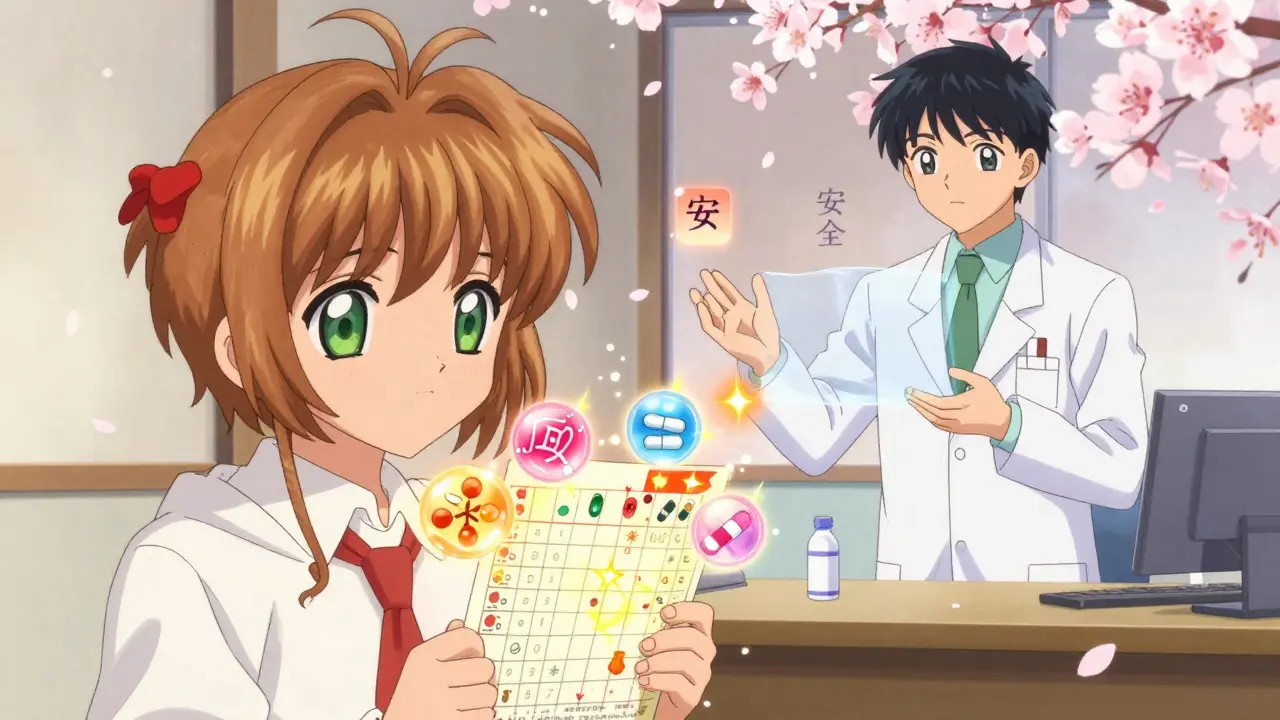
An adverse drug event isn’t just a side effect. It’s a preventable injury caused by a medication - whether from a mistake, a reaction, or a dangerous mix of drugs. Every year in the U.S., over 1 million emergency room visits and 125,000 hospital admissions happen because of these events. The good news? Nearly half of them don’t have to happen.
What Exactly Is an Adverse Drug Event?
An adverse drug event (ADE) is any harm a patient experiences because of a medication. This includes everything from a simple rash to a life-threatening bleed. It’s not just about the drug itself - it’s about how it was used. The Institute of Medicine first brought this into focus in 2000, showing that medication errors alone were killing at least 7,000 people a year in U.S. hospitals. Since then, agencies like the Department of Health and Human Services and the World Health Organization have made ADEs a top priority.
The key distinction? An ADE is harm caused by medication use. It’s different from an adverse event, which could be from surgery, a fall, or an infection. ADEs are specifically tied to drugs - whether they were taken correctly or not. The Patient Safety Network defines it simply: harm from exposure to a medication. That exposure could be a wrong dose, a missed allergy, or a drug that shouldn’t have been prescribed in the first place.
The Main Types of Adverse Drug Events
Not all ADEs are the same. They fall into clear categories, each with its own pattern and risk group.
- Adverse drug reactions - These happen when the body responds badly to a drug at a normal dose. Think nausea from chemo or dizziness from blood pressure meds. They’re often unpredictable, but not always.
- Medication errors - These are preventable mistakes. A doctor prescribes the wrong drug. A pharmacist gives the wrong dose. A nurse administers it at the wrong time. These account for a huge chunk of ADEs.
- Drug-drug interactions - When two or more medications mix in ways that change their effects. Warfarin and certain antibiotics? That’s a dangerous combo. One can turn the other into a bleeding risk.
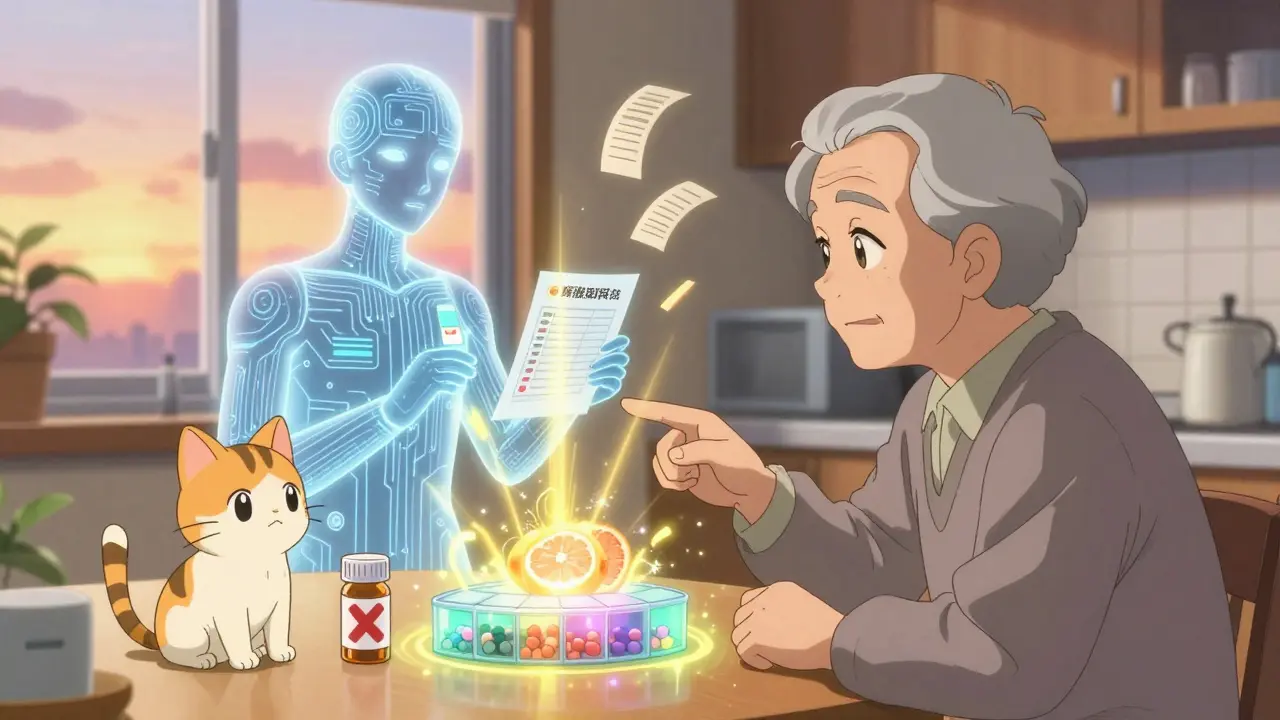
- Drug-food interactions - Grapefruit juice can make cholesterol drugs too strong. Dairy can block antibiotics. Even a simple meal can change how a drug works.
- Overdoses - Whether accidental or intentional, too much of a drug can be deadly. Opioids are the biggest concern here. In 2021, over 70,000 overdose deaths in the U.S. involved synthetic opioids like fentanyl.
Researchers also classify adverse drug reactions into five types. Type A reactions - the most common - are predictable and tied to dose. Think low blood sugar from too much insulin. Type B reactions are rare, unpredictable, and often allergic. Type C builds up over time, like bone loss from long-term steroids. Type D shows up years later - think cancer from a drug taken decades ago. Type E happens when you stop taking a drug, like rebound anxiety after quitting benzodiazepines.
The Big Three High-Risk Medications
Not all drugs carry the same risk. Three classes stand out as the biggest culprits in ADEs:
- Anticoagulants - Warfarin alone causes 33% of all hospital-related ADEs. Why? It has a narrow window between working and being dangerous. Too little, and you get a clot. Too much, and you bleed internally. In 35% of outpatient cases, the blood-thinning level (INR) isn’t in the safe range.
- Diabetes drugs - Insulin is the most common cause of ADE-related ER visits. About 100,000 visits a year come from hypoglycemia. Over 60% of those patients are over 65. A simple misstep - like skipping a meal after taking insulin - can send someone to the hospital.
- Opioids - These drugs are responsible for 40% of medication-related deaths. Fentanyl, oxycodone, hydrocodone - all have high potential for overdose. Even when taken as prescribed, they can cause respiratory depression, especially in older adults or those with sleep apnea.
These aren’t random statistics. They’re warning signs. Warfarin, insulin, and opioids are used by millions. But without careful monitoring, they’re ticking time bombs.
How to Prevent Adverse Drug Events
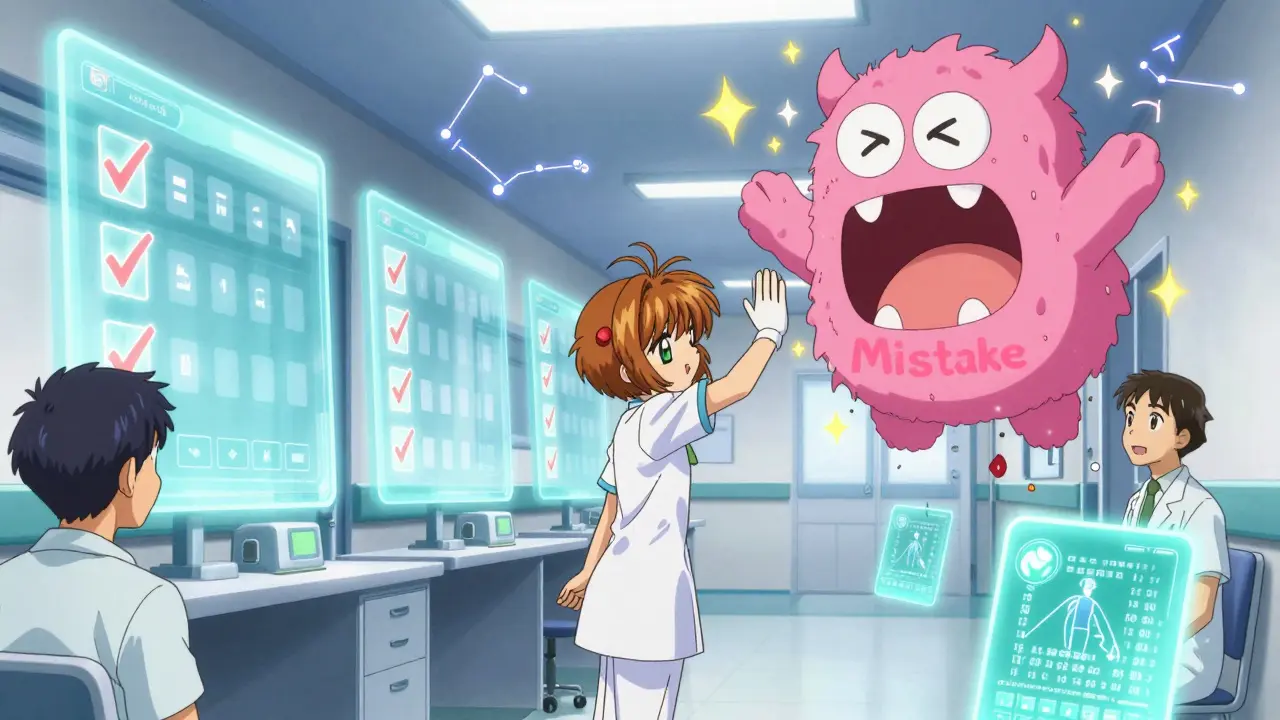
Prevention isn’t about one magic fix. It’s about layers of safety - systems, tools, and people working together.
- Medication reconciliation - When a patient moves from hospital to home, or from one doctor to another, their meds can get lost. A formal reconciliation process - comparing what’s prescribed, what’s filled, and what’s actually taken - cuts post-discharge ADEs by 47%. That’s not a small win.
- Electronic prescribing - Handwritten prescriptions? They’re a disaster. E-prescribing reduces errors by 48%. It checks for allergies, duplicates, and dangerous interactions before the script even leaves the doctor’s computer.
- Pharmacist-led care - Pharmacists aren’t just pill counters. In VA hospitals, pharmacist-run anticoagulation clinics cut major bleeding events by 60%. Medication therapy management (MTM) services find an average of 4.2 medication problems per patient. That’s 4.2 chances to prevent a hospital visit.
- Drug interaction tools - Systems like Lexicomp flag high-risk combos before they happen. One study showed these tools catch 15% of dangerous interactions that doctors miss.
- Patient education - When patients understand why they’re taking a drug, how to take it, and what side effects to watch for, adherence improves by 22%. Simple things - like using a pill organizer or knowing not to drink grapefruit juice with statins - make a big difference.
- Deprescribing - Many older adults take five, six, even ten medications. Some of them aren’t needed anymore. The Beers Criteria lists drugs that are risky for seniors. Yet only 15% of primary care providers regularly screen for them. Cutting unnecessary drugs reduces confusion, falls, and ADEs.
The Role of Technology and Data
Technology is changing how we catch ADEs before they happen.
The FDA’s Sentinel Initiative now monitors 190 million patient records to spot patterns in real time. Hospitals using electronic health records (EHRs) have seen progress - 89% have EHRs, but only 45% have full clinical decision support for high-risk drugs. That gap matters. A system that alerts a doctor when a patient’s kidney function drops and their vancomycin dose needs adjusting? That’s prevention in action.
At Johns Hopkins, AI models are analyzing 50+ patient factors - age, lab values, genetics, other meds - to predict who’s most likely to have an ADE. In pilot tests, they cut ADEs by 17%. That’s not science fiction. It’s happening now.
Pharmacogenomics is another frontier. Testing a patient’s genes before prescribing certain drugs can prevent reactions. For example, some people can’t process clopidogrel (a blood thinner) because of a genetic variation. Testing for that cuts ADEs by 35%. Right now, only 5% of patients get this testing. But by 2027, that number could jump to 30%. That could prevent 100,000 ADEs a year.
Where We’re Falling Short
Progress is real, but gaps remain.
Doctors still rely on memory, not systems. Nurses don’t always have time to double-check every med. Patients forget to tell their new doctor about the herbal supplement they’ve been taking for years. And even with all the tools available, only 15% of primary care providers screen for inappropriate meds in older adults.
The WHO’s Medication Without Harm campaign aimed to cut severe harm by 50% by 2022. They got 18%. It’s progress - but not enough. The challenge now is scaling what works. Making sure every hospital, every clinic, every pharmacy uses the same safety steps.
What You Can Do
If you’re taking multiple medications:
- Keep an updated list - including vitamins, supplements, and over-the-counter drugs.
- Ask your pharmacist: "Is this drug still necessary? Could it interact with anything else I’m taking?"
- Know your warning signs. If you feel dizzy, confused, or unusually tired after starting a new med, call your provider.
- Don’t assume a drug is safe just because it’s been prescribed. Ask why it was chosen and what the risks are.
If you’re a caregiver for an older adult: review their meds every 3 months. Ask if any can be stopped. Many elderly patients take drugs that were prescribed years ago - and no longer help.
Prevention doesn’t require a fancy hospital system. It starts with asking questions - and listening to the answers.
What’s the difference between an adverse drug reaction and an adverse drug event?
An adverse drug reaction (ADR) is a harmful response to a drug at normal doses - like a rash or dizziness. An adverse drug event (ADE) is broader: it includes ADRs, but also any harm caused by medication errors, overdoses, or interactions. So all ADRs are ADEs, but not all ADEs are ADRs.
Which medications are most likely to cause adverse drug events?
The top three are anticoagulants (like warfarin), diabetes drugs (especially insulin), and opioids. Warfarin causes 33% of all hospital-related ADEs. Insulin leads to 100,000 emergency visits a year from low blood sugar. Opioids caused over 70,000 overdose deaths in 2021. These drugs are essential - but they demand careful management.
Can pharmacists really prevent ADEs?
Yes - and they’re one of the most underused tools in prevention. Pharmacists review all your meds, spot dangerous interactions, check for duplicates, and catch when a drug is no longer needed. In VA hospitals, pharmacist-led anticoagulation clinics cut bleeding events by 60%. Medication therapy management finds an average of 4.2 problems per patient. That’s 4.2 chances to avoid a hospital stay.
How does deprescribing help prevent ADEs?
Deprescribing means stopping medications that aren’t helping anymore - especially in older adults. Many seniors take drugs that were prescribed years ago, like anticholinergics or sedatives. These can cause falls, confusion, or kidney damage. A 2021 VA study showed structured deprescribing cut anticholinergic-related ADEs by 40%. It’s not about cutting meds for the sake of it - it’s about removing ones that do more harm than good.
Are electronic prescribing systems effective?
Yes. Electronic prescribing reduces medication errors by 48%. It stops common mistakes: wrong dose, wrong patient, wrong drug. It also checks for allergies and dangerous interactions in real time. But not all systems are equal. Only 45% of U.S. hospitals have full clinical decision support built in. That means many alerts are still missed.
What’s the future of ADE prevention?
The future is personalized. Pharmacogenomic testing - using your genes to guide dosing - will expand from 5% to 30% of patients by 2027. AI models that predict individual risk based on lab results, age, and meds are already cutting ADEs by 17% in pilot programs. The goal isn’t just to catch errors - it’s to stop them before they happen, by tailoring each drug to the person taking it.

9 Comments
Jinesh Jain
March 14, 2026 AT 17:20Interesting breakdown. I'm from India and we don't have the same level of EHR integration, but I've seen how pharmacist-led interventions make a huge difference even with limited resources. Simple med reviews save lives.
Sabrina Sanches
March 15, 2026 AT 04:00I work in a clinic and this is 100% true
Kandace Bennett
March 16, 2026 AT 00:56OMG YES!!! 🙌 Seriously though, I can't believe we still let doctors write by hand. Like... are we in 1998? 🤦♀️ E-prescribing is basic hygiene at this point. And don't even get me started on how pharmacies are understaffed. We need to pay pharmacists like they're surgeons. 💸💊
Tim Schulz
March 17, 2026 AT 05:22Ah yes, the classic "just ask your pharmacist" solution. Because clearly, the 12-minute consult with a doctor who's already burnt out is the real problem. 🤡 Let's just hand patients a pamphlet and call it prevention. Meanwhile, the FDA is still using spreadsheets to track drug safety. I'm not saying we need AI to cure humanity... but maybe we should stop pretending we're doing enough. 😏
Katherine Rodriguez
March 18, 2026 AT 22:14This whole thing is just American overmedicalization at its finest. We have the highest drug spending in the world and still can't get it right. Why not just stop prescribing so much in the first place? We don't need ten pills to treat a headache. Just sayin'.
Devin Ersoy
March 20, 2026 AT 07:14Look, I get it. We're all here to pat ourselves on the back for having EHRs and pharmacists. But let's be real - most of these "solutions" are just corporate buzzwords wrapped in a white coat. AI predicting ADEs? Cute. But if your hospital can't even get the damn barcode scanner to work on the med cart, you're not preventing anything. You're just collecting data like a tech bro at a yoga retreat. 🧘♂️💊
Scott Smith
March 22, 2026 AT 02:16I've been a nurse for 22 years. The biggest preventable factor? Communication gaps between shifts. A patient gets a new med at 3am, the night nurse forgets to document it, the morning team doesn't know, and boom - overdose. Tech helps, but human attention? That's the real safety net.
Shruti Chaturvedi
March 23, 2026 AT 16:20In India we don't have all these systems but we have something better - family. When someone takes medicine, someone else remembers. No app needed. Just love and vigilance. 🌿
douglas martinez
March 24, 2026 AT 02:42Thank you for this comprehensive overview. I appreciate the emphasis on deprescribing and pharmacist-led care. These are evidence-based, scalable interventions that can be implemented immediately across primary care settings. The data is clear - we have the tools. What we lack is consistent policy support and reimbursement structures to make them routine. This is not a technological problem. It's a systemic one.