For decades, getting a prescription felt like a predictable loop: doctor, pharmacy, insurance, and a hope that the price wouldn't jump at the counter. But the industry is hitting a breaking point. The traditional chain of middlemen-specifically the powerful Pharmacy Benefit Managers (PBMs)-has created a gap where drug prices stay high for patients while the real savings vanish into corporate rebates. Enter the rise of direct-to-consumer generic pharmacies is a business model where pharmaceutical companies or specialized digital platforms sell medications directly to patients, bypassing wholesalers and retail middlemen.
This isn't just about a few more websites selling pills. It's a systemic shift. Driven by a May 2025 executive order focused on Most-Favored-Nation pricing, we are seeing a collision between massive drug makers and agile telehealth startups. For the average person, this means a move toward transparent, cash-pay pathways that prioritize convenience over insurance bureaucracy. If you've ever wondered why a generic drug costs $10 in another country but $100 at your local drugstore, these new models are the industry's attempt to solve that riddle.
The War on Middlemen: Why DTC is Happening Now
To understand why direct-to-consumer (DTC) models are exploding, you have to look at the "gross-to-net" spread. Pharmaceutical companies hate PBMs because PBMs act as the gatekeepers. In 2024, the "Big Three" PBMs raked in $28 billion in gross profit by managing rebates. Manufacturers claim these rebates rarely reach the patient, leaving the drug maker with less money and the patient with a high bill.
By cutting out the wholesaler and the retail pharmacy, companies can potentially slice supply chain costs by 15-25%. This disintermediation allows manufacturers to own the entire relationship with the patient. Instead of wondering who is actually taking their drug and why they stopped, companies now get firsthand data on patient behavior and adherence. It's a move from a blind supply chain to a direct-feedback loop.
Two Different Paths: Telehealth Startups vs. Big Pharma
Not all DTC pharmacies are built the same. We are currently seeing two distinct strategies playing out in the market.
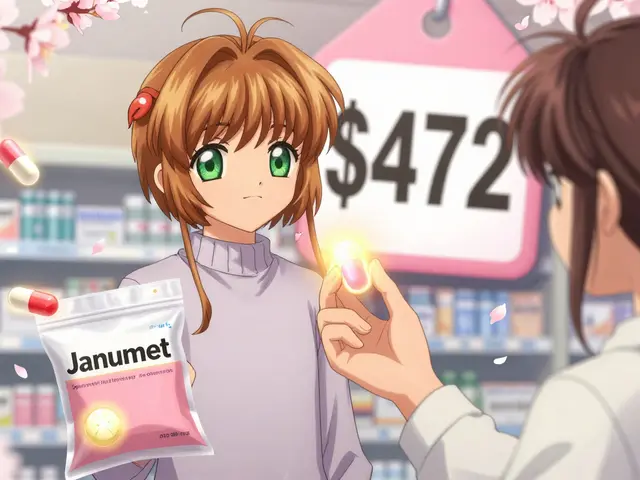
First, there are the Telehealth Disruptors. Companies like Ro, Hims & Hers, and Honeybee Health have pioneered the cash-based generic model. They aren't making the drugs; they are optimizing the delivery. These platforms often offer 30-50% discounts on generics compared to traditional retail prices. For example, a patient might save over $400 a year on blood pressure medication by switching to a platform like Ro, which processed over 2 million orders in early 2025.
Then, you have the Manufacturer-Led Platforms. This is where the giants move in. We've seen the launch of LillyDirect, PfizerForAll, and NovoCare. Unlike the startups, these are integrated Direct-to-Patient (DTP) ecosystems. They don't just ship a bottle; they combine remote diagnosis, telehealth, e-prescribing, and disease management into one workflow. According to industry data, this integrated approach can reduce "time-to-therapy" by an average of 3.7 days.
| Feature | Telehealth Startups (e.g., Ro, Hims) | Manufacturer Platforms (e.g., LillyDirect) |
|---|---|---|
| Primary Focus | Broad generic portfolio | Flagship brand/specialty drugs |
| Typical Savings | 30-50% off generics | 10-15% off brand-name list price |
| Patient Data | User behavior & demographics | Deep clinical & adherence data |
| Supply Chain | Third-party wholesalers | Direct from factory lots |
The Tech Stack Powering the Digital Pharmacy
You can't just put a pharmacy on a Shopify store. The technical architecture required to stay legal and safe is immense. Modern platforms rely on a complex web of integrations. Most use API-based integrations to connect with Electronic Health Records (EHRs) like Epic or Cerner. This ensures that when a doctor clicks "send" on a prescription, it hits the DTC warehouse instantly.
Beyond the logistics, AI is doing the heavy lifting for patient adherence. We're seeing medication reminder chatbots and predictive analytics that can flag when a patient is likely to miss a dose based on historical patterns. However, this digital-first approach comes with a massive target on its back. Cybersecurity is the single greatest risk to these platforms; a single breach of HIPAA-protected data could bankrupt a smaller DTC player.
The Hidden Costs: Regulations and Safety Risks
If this sounds like a win-win, there's a catch. The regulatory hurdle is a nightmare. To operate legally across the U.S., a DTC pharmacy needs licenses in all 50 states and D.C. This process typically takes 14 to 18 months and costs roughly $2.3 million in legal fees. This is why you see many startups starting in specific regions before scaling.
There is also a growing concern about the "missing pharmacist." In a traditional store, a pharmacist catches a dangerous drug interaction before you leave. In a DTC model, that safety net is thinner. Some reports have already documented cases where potential drug-drug interactions were missed because the human review was replaced by a digital checklist. While 73% of chronic patients report better adherence with home delivery, nearly a third are worried about the lack of a face-to-face consultation.
Is the Hybrid Model the Future?
We are unlikely to see the total death of the local drugstore. Instead, we're moving toward a hybrid distribution strategy. About 83% of pharmaceutical executives now plan to maintain both traditional channels and DTC storefronts. This "ring-fenced" approach allows companies to protect their DTC supply even when wholesalers face shortages, ensuring their most loyal patients always have access.
For patients, the choice is becoming a trade-off: do you want the instant gratification of a local pharmacy, or the long-term cost transparency and convenience of a subscription-based DTC model? As more players like Roche enter the fray, the pressure on PBMs to lower their margins will only increase, potentially forcing a total rewrite of how drugs are priced in the U.S.
Are DTC generic pharmacies legal in all 50 states?
Yes, but only if the company has obtained individual pharmacy licenses for each state. This is a rigorous process that can take over a year and cost millions in administrative fees. Not all DTC platforms are licensed in every state, which is why some services may be unavailable depending on your location.
Will my insurance cover medications from a DTC pharmacy?
It depends. Many DTC models, especially generic-focused ones like Ro or Hims, operate on a "cash-pay" basis, meaning they provide a transparent price that you pay out-of-pocket. However, some larger DTP platforms are integrating insurance verification databases to allow for claims processing, though this is still a major pain point for many users.
How do these pharmacies ensure the medication is authentic?
Manufacturer-led platforms (like LillyDirect) provide the highest level of authenticity because the drug comes directly from the factory. Telehealth startups typically partner with accredited pharmacies that follow FDA regulations for handling and shipping to ensure medication integrity.
What is the main risk of using an online pharmacy?
The primary risks are cybersecurity (data breaches) and the potential for missed drug interactions due to the lack of an in-person pharmacist consultation. Users are encouraged to use platforms that provide 24/7 pharmacist access via phone or chat.
How much cheaper are DTC generics compared to retail?
On average, specialized DTC telehealth platforms offer 30-50% discounts on generic medications compared to traditional pharmacy prices, though savings on brand-name drugs through manufacturer platforms are more modest, typically around 10-15%.
Next Steps for Patients and Providers
If you are a patient looking to switch, start by auditing your current medication list. Identify which ones are generics and check if a reputable DTC platform covers them. Compare the total annual cost, including shipping, against your current insurance co-pay. Don't forget to ask your doctor if they use e-prescribing systems that integrate with these new platforms to avoid manual paperwork.
For providers, the shift toward DTC means less time spent on pharmacy callbacks and more data on whether your patients are actually taking their meds. Integrating your EHR with a trusted DTP provider can reduce the administrative burden and help you track patient adherence in real-time.