

Antihistamine Safety Checker
Check if your antihistamine is safe during pregnancy. Based on ACOG, CDC, and Mayo Clinic guidelines.
Select an antihistamine and click "Check Safety" to see results
When you're pregnant and your nose is constantly stuffed up, your eyes are itchy, or you're breaking out in hives, it’s hard to focus on anything else. Allergies don’t take a break just because you’re expecting-but neither can you safely reach for any over-the-counter pill without knowing the risks. So what antihistamines are actually safe during pregnancy? And which ones should you avoid?
Why This Matters More Than You Think
Uncontrolled allergies during pregnancy aren’t just annoying-they can make it harder to sleep, eat, or breathe. Severe rhinitis can lead to sinus infections, worsen asthma, and even affect your mood and energy. That’s why treating symptoms isn’t optional-it’s part of taking care of both you and your baby. But not all antihistamines are created equal. Some have decades of safety data. Others have very little. And some carry risks you need to know about before taking even one pill.First-Generation vs. Second-Generation: The Big Difference
Antihistamines fall into two main groups: first-generation and second-generation. The difference isn’t just about how strong they are-it’s about how they affect your body.First-generation antihistamines like chlorpheniramine, diphenhydramine (Benadryl), and dexchlorpheniramine cross the blood-brain barrier. That’s why they make you sleepy. But that same property means they’ve been around for a long time-since the 1940s and 50s-and have been used by millions of pregnant women. Studies tracking these drugs show no clear link to birth defects. The American College of Obstetricians and Gynecologists (ACOG) and the American Academy of Family Physicians (AAFP) both list chlorpheniramine as a safe, first-choice option during pregnancy.
Second-generation antihistamines like loratadine (Claritin), cetirizine (Zyrtec), and fexofenadine (Allegra) were designed to avoid the brain. That means less drowsiness. But because they’re newer, there’s less long-term data on their use in pregnancy. Still, the best studies we have-like those from the CDC’s National Birth Defects Prevention Study and reviews in the Journal of Skin Appendage Disorders-don’t show a clear increase in birth defects. ACOG’s March 2025 guidance says these newer options “may also be safe.”
The Safest Choices: What Experts Recommend
When it comes to choosing an antihistamine during pregnancy, three names come up again and again in medical guidelines:- Chlorpheniramine (ChlorTrimeton) - First-gen, proven safe over decades, but causes drowsiness. Often used at 4 mg every 4-6 hours as needed.
- Loratadine (Claritin, Alavert) - Second-gen, non-sedating, widely studied. Recommended by Mayo Clinic and ACOG for mild symptoms. Typical dose: 10 mg once daily.
- Cetirizine (Zyrtec) - Also second-gen, minimal sedation in most people. Large studies show no increased risk of major birth defects. Dose: 10 mg once daily.
These three are the most commonly recommended by doctors. If you need something for occasional sneezing or itchy eyes, start here. Avoid anything else unless your doctor specifically says it’s okay.

What to Skip: The Risky Ones
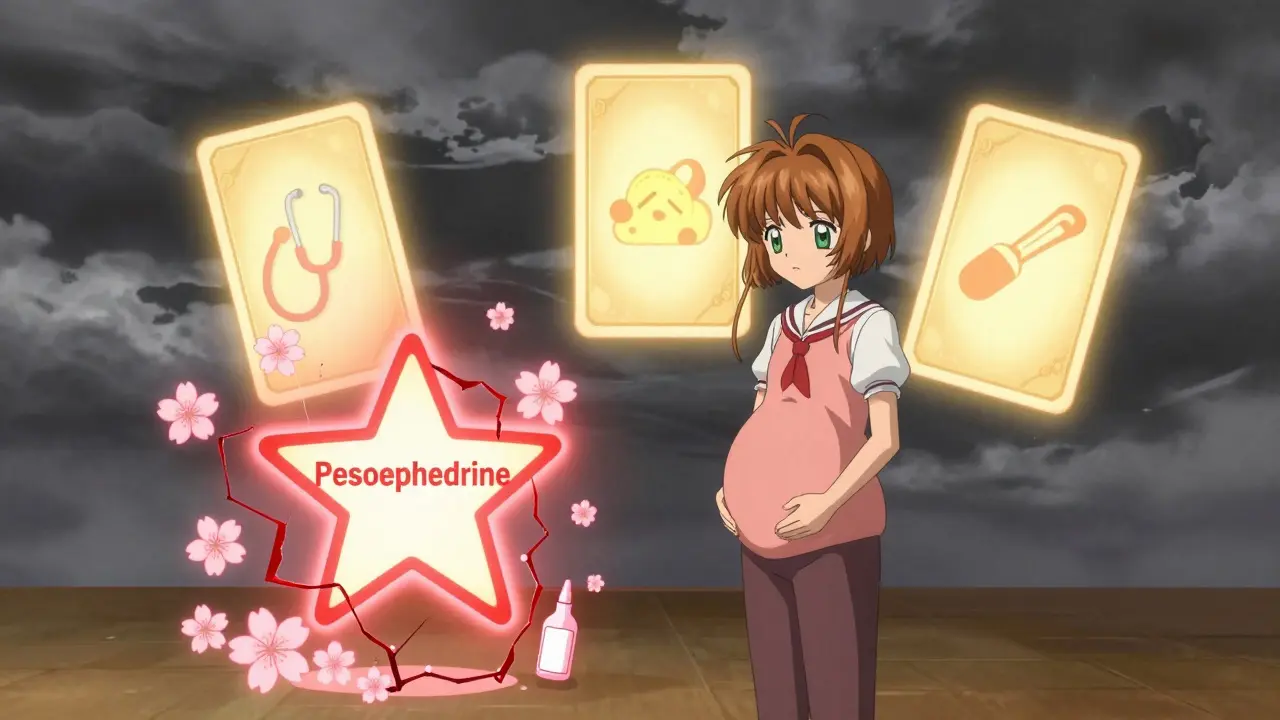
Not all allergy meds are safe-even if they’re sold over the counter. Some ingredients carry known risks.Pseudoephedrine (Sudafed) is the biggest red flag. It’s a decongestant often paired with antihistamines in cold and allergy formulas. ACOG warns against using it during the first trimester because of a small but real risk of abdominal wall defects like gastroschisis. Mayo Clinic says it might be okay in the second and third trimesters if you don’t have high blood pressure-but only under a doctor’s supervision. Always check the label. If it says “Sinus,” “Cold,” or “Multi-Symptom,” it likely contains pseudoephedrine.
Hydroxyzine (Atarax, Vistaril) is another one to avoid unless absolutely necessary. Some studies have linked it to a possible increase in certain heart defects, though the data is based on very few cases. It’s not banned, but it’s not first-line either.
And don’t assume natural remedies are safer. Some herbal supplements, essential oils, or homeopathic products can be just as risky-or worse-because they’re not tested in pregnancy. Always talk to your provider before trying anything new.
When to Use Nasal Sprays Instead
If your main problem is a stuffy nose, oral antihistamines might not be enough. That’s where nasal corticosteroids come in.Medications like budesonide (Rhinocort), fluticasone (Flonase), and mometasone (Nasonex) are sprayed directly into the nose. They work locally, so very little enters your bloodstream. The AAFP gives them a safety rating of B-the same as chlorpheniramine and loratadine. Experts at Mayo Clinic recommend them for moderate to severe allergy symptoms, even during the first trimester.
They’re often more effective than pills for nasal congestion and don’t cause drowsiness. Many women find they need less oral medication-or none at all-when using a steroid spray regularly.
How to Decide What’s Right for You
There’s no one-size-fits-all answer. Your choice depends on your symptoms, your trimester, and your personal health history.- Mild symptoms (sneezing, itchy eyes): Start with loratadine or cetirizine. They’re non-sedating and have strong safety data.
- Severe congestion: Add a nasal steroid spray like fluticasone. You can use both together safely.
- Need something fast for hives or sudden reactions: Chlorpheniramine works well, but plan for drowsiness. Take it at night if you can.
- Already taking something that works: Don’t switch unless your doctor advises it. Stability matters in pregnancy.
Never start or stop a medication based on internet advice. Even if it’s “natural” or “over-the-counter,” it can affect your baby. Always check with your OB-GYN or allergist first.
What the Research Still Doesn’t Know
We have good data on chlorpheniramine, loratadine, and cetirizine. But what about newer options like levocetirizine or desloratadine? There’s almost nothing. And what about long-term effects on children? Do they have higher rates of learning delays or behavioral issues? We don’t know yet.The CDC’s National Birth Defects Prevention Study is still tracking antihistamine use from conception through birth. Some studies have found odd associations-like a possible link between hydroxyzine and heart defects-but the numbers are too small to be certain. That’s why experts say “reassuring,” not “proven safe.”
That’s why the bottom line isn’t about finding a perfect pill. It’s about finding the safest option for your situation-and using the lowest dose for the shortest time needed.
What to Do Next
If you’re pregnant and dealing with allergies:- Don’t suffer in silence. Untreated allergies can hurt your sleep, your mood, and your health.
- Check the labels. Avoid products with pseudoephedrine, phenylephrine, or unknown herbal ingredients.
- Start with the safest options: loratadine, cetirizine, or chlorpheniramine.
- Consider a nasal steroid spray if congestion is your main issue.
- Call your OB-GYN before taking anything new-even if it’s “just an allergy pill.”
Most women who take these medications during pregnancy have healthy babies. The goal isn’t to avoid all meds-it’s to use the right ones wisely. You’re not being reckless by treating your allergies. You’re being responsible.
Can I take Benadryl while pregnant?
Yes, diphenhydramine (Benadryl) is considered safe during pregnancy, especially in the second and third trimesters. It’s a first-generation antihistamine with decades of use and no clear link to birth defects. But it causes drowsiness, which can affect your daily life. Use it for short-term relief, not daily, and talk to your doctor if you need it often.
Is Zyrtec safe in the first trimester?
Cetirizine (Zyrtec) is generally considered safe in the first trimester. Large studies, including data from the CDC’s National Birth Defects Prevention Study, haven’t found an increased risk of major birth defects. It’s one of the most recommended second-generation antihistamines for pregnant women. Still, always check with your provider before starting any medication.
Can antihistamines cause miscarriage?
There’s no solid evidence that antihistamines like chlorpheniramine, loratadine, or cetirizine increase the risk of miscarriage. Studies tracking thousands of pregnancies haven’t shown a consistent link. However, untreated severe allergies can lead to stress, poor sleep, or infections-which might indirectly affect pregnancy. The bigger risk is not treating symptoms that impact your well-being.
Are nasal sprays safer than pills?
Yes, for nasal symptoms, corticosteroid sprays like fluticasone and budesonide are often safer than oral antihistamines. They work locally in the nose, so very little enters your bloodstream. Experts recommend them as first-line treatment for moderate to severe allergic rhinitis during pregnancy, even in the first trimester.
What if I already took an antihistamine before knowing I was pregnant?
If you took a common antihistamine like loratadine, cetirizine, or chlorpheniramine before you knew you were pregnant, there’s no need to panic. These medications have been used safely by millions of women in early pregnancy. The risk, if any, is very low. Talk to your doctor at your next visit, but don’t assume harm was done. Most women in this situation go on to have healthy pregnancies.





12 Comments
Adewumi Gbotemi
January 11, 2026 AT 04:30I just found out I'm pregnant and my nose has been stuffed for weeks. I was scared to take anything, but now I feel better knowing chlorpheniramine is okay. Thanks for laying it out so simply.
Alfred Schmidt
January 11, 2026 AT 19:14STOP. JUST STOP. You people are literally putting your babies at risk by trusting 'studies' from the CDC. I read a blog once that said antihistamines cause autism. I'm not making this up. My cousin's neighbor's sister took Zyrtec and her kid can't even tie his shoes. WHAT IS WRONG WITH YOU??
Priscilla Kraft
January 13, 2026 AT 13:10Thank you for this!! 🙏 I'm 14 weeks and was terrified to take anything. I started loratadine last week and my eyes stopped burning like I'd been rubbed with chili powder 😅 Also, fluticasone is a GAME CHANGER. No drowsiness, just sweet, sweet nasal relief. You're all doing great, mama 💕
Vincent Clarizio
January 13, 2026 AT 23:23Let me ask you this-when you take an antihistamine, are you not, in essence, suppressing a natural immune response? And if you suppress it during the most critical window of fetal neurodevelopment, are you not altering the epigenetic landscape of your child’s future immune function? We’ve been conditioned to fear symptoms, not to understand them. Allergies are your body’s alarm system. You’re not treating the cause-you’re silencing the messenger. And what happens when the messenger is gone… and the fire remains? 🤔
Roshan Joy
January 14, 2026 AT 10:16Great summary! I’m from India and we have this myth that 'all medicines are bad in pregnancy'. My mom still thinks Benadryl will make the baby lazy. But I showed her the ACOG guidelines and she finally shut up 😅 Cetirizine saved my sleep. No more 3 a.m. sneezing fits.
Michael Patterson
January 15, 2026 AT 09:26Wait so you're saying pseudoephedrine is bad but fluticasone is fine? But fluticasone is a steroid right? Steroids are bad for babies aren't they? I mean I read on a forum that steroids cause cleft palate? I'm confused now. Also I think you spelled 'cetirizine' wrong. It's 'cetirizin' right? I'm pretty sure.
Matthew Miller
January 15, 2026 AT 21:56This is the most irresponsible medical advice I've seen on Reddit. You're just handing out drug recommendations like candy. Who authorized you to be a doctor? You're not a clinician. You're not even a nurse. You're just some guy with a blog. I hope your kid has a heart defect so you can live with the guilt.
Madhav Malhotra
January 17, 2026 AT 17:19In India, we use 'Allerx' and 'Syp. Cetirizine' all the time during pregnancy. No one panics. Our moms took it, our aunts took it. The real issue? No access to proper doctors. So posts like this? Lifesavers. Thank you for the clarity. 🙏
Priya Patel
January 18, 2026 AT 03:45I took Zyrtec in my first trimester and I'm 28 weeks now and my baby is kicking like a soccer champ 😭 I was so scared I cried for a week. But you're right-staying miserable was worse. I’m so glad I didn't suffer in silence. You're not weak for needing help. You're a warrior.
Jennifer Littler
January 18, 2026 AT 09:59While the pharmacokinetic profiles of second-generation antihistamines demonstrate minimal placental transfer, the long-term neurodevelopmental outcomes remain underpowered in current cohort studies. I’d argue for a risk-benefit calculus anchored in gestational age-specific teratogenic thresholds. Also, nasal corticosteroids have a Class B designation, but their systemic bioavailability is not zero-this nuance is often overlooked in lay literature.
Jason Shriner
January 19, 2026 AT 21:38Oh cool so now I'm supposed to trust 'ACOG'... like they're the pope of pregnancy. Next you'll tell me the moon landing was real. I took Sudafed and my kid is a genius. Coincidence? Maybe. Or maybe you're just scared of anything that works. 🤷♂️
Sean Feng
January 21, 2026 AT 11:18Just take nothing. Let your body handle it. It's not that hard.