

Living with chronic back pain is a persistent discomfort lasting more than 12 weeks that affects approximately 8% of the U.S. population. It is not just an annoying ache; it is a complex condition that persists long after tissues have healed. If you are stuck in a cycle of flare-ups and failed treatments, you are not alone. The good news is that effective relief exists, but it rarely comes from a single pill or one type of exercise. Instead, the most successful outcomes come from combining physical therapy, smart medication use, and daily self-management habits.
Many people assume that if the pain is bad enough, they need stronger drugs. In reality, clinical guidelines from the American College of Physicians prioritize non-pharmacological treatments first. This shift away from heavy reliance on opioids is not just a trend; it is a necessary response to safety concerns and better scientific understanding of how the body processes long-term pain. By understanding how these three pillars work together, you can take control of your recovery rather than waiting for a miracle cure.
Why Physical Therapy Is the Foundation
Physical therapy is a clinical discipline focused on restoring movement and reducing pain through targeted exercises and manual techniques. For chronic back pain, it is often the most impactful intervention available. Unlike acute injuries where rest is key, chronic pain thrives on inactivity. When you stay still, muscles weaken, joints stiffen, and the nervous system becomes more sensitive to pain signals.
A standard physical therapy program usually includes five core components. First, there is a pain tolerance assessment to understand your personal limits. Next, posture retraining helps correct alignment issues that put strain on the spine. Core strengthening targets specific muscles like the transverse abdominis and multifidus, which act as natural corsets for your spine. Flexibility routines improve spinal mobility, often by 15-25%, while aerobic conditioning increases blood flow to spinal structures by up to 40%. This increased circulation helps deliver nutrients to healing tissues and removes waste products that contribute to inflammation.
The data supports this approach strongly. A January 2024 report from the Orthopedic Institute of Pennsylvania found that 78% of patients achieved meaningful improvement through physical therapy, compared to only 52% who relied on medications alone. However, success depends heavily on consistency. Patients who maintain home exercise routines see an 82% success rate, whereas those who skip their homework drop to a 45% success rate. This highlights a critical point: the therapist’s job is to teach you, but your job is to practice.
Navigating the Medication Ladder
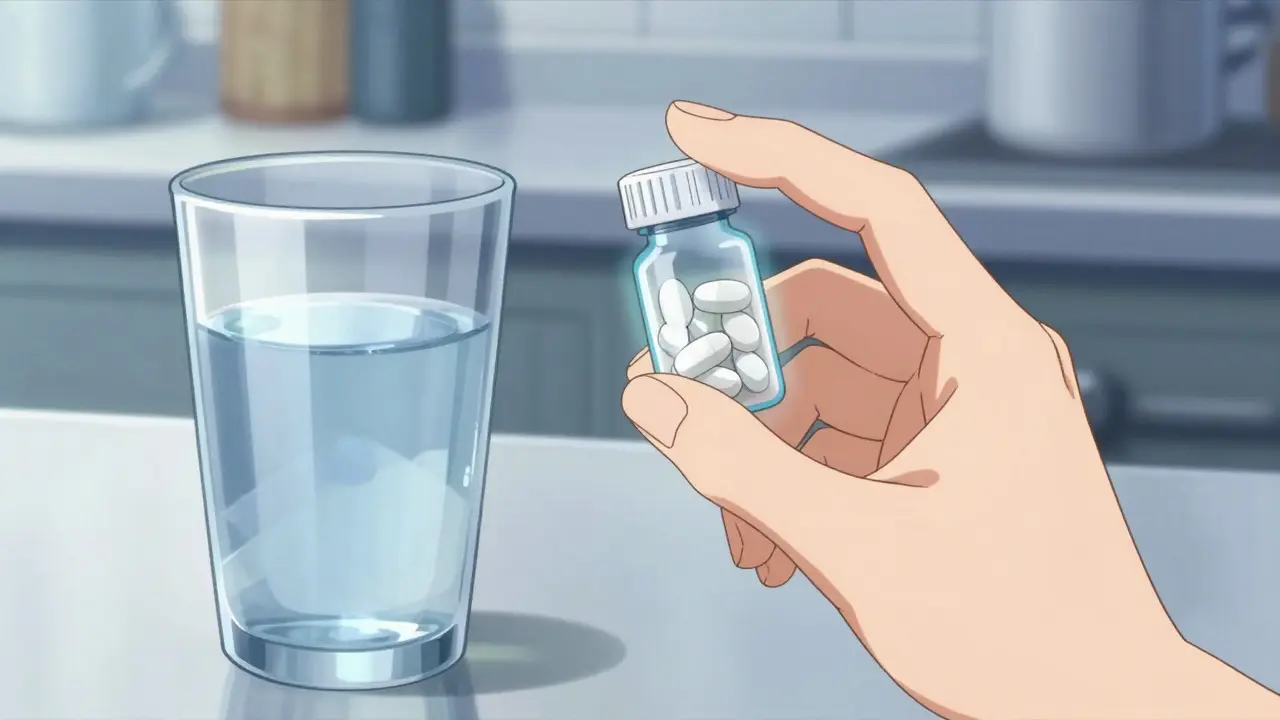
Medications are tools, not solutions. They help manage symptoms so you can participate in physical therapy and daily life. The current medical consensus follows a tiered approach, starting with the safest options and moving to stronger ones only when necessary.
First-line treatments typically include Non-Steroidal Anti-Inflammatory Drugs (NSAIDs) like ibuprofen or naproxen. These reduce inflammation and provide moderate pain relief for about 65% of patients. However, they are not without risks. Long-term use can lead to gastrointestinal issues, such as stomach ulcers or bleeding, affecting 15-20% of users. If NSAIDs are not enough, doctors may prescribe second-line options like muscle relaxants (e.g., cyclobenzaprine) or neuropathic agents (e.g., gabapentin). Gabapentin, for instance, works by calming overactive nerves, offering 50% relief for some patients, though it can cause dizziness or brain fog if the dose is too high too quickly.
For those who do not respond to the first two tiers, third-line options include SNRIs like duloxetine. This class of medication addresses both pain and mood, which is crucial because chronic pain and depression often feed into each other. Studies show duloxetine achieves significant pain reduction in nearly half of chronic low back pain patients. Opioids are now reserved for rare cases where everything else has failed. With the opioid crisis claiming over 107,000 lives in 2022, doctors are much more cautious. Prescribing rates for chronic back pain have dropped from 45% in 2016 to just 12% in 2024, reflecting a major change in medical practice.
| Treatment Type | Primary Benefit | Common Side Effects | Long-Term Efficacy |
|---|---|---|---|
| Physical Therapy | Strengthens support muscles, improves mobility | Muscle soreness during initial phases | High (78% improvement rate) |
| NSAIDs (Ibuprofen/Naproxen) | Reduces inflammation and acute pain | Stomach irritation, kidney strain | Moderate (30-40% pain relief) |
| Duloxetine (SNRI) | Manages pain and associated mood issues | Nausea, dry mouth, dizziness | Moderate-High (50% reduction in 45% of patients) |
| Opioids | Strong short-term pain suppression | Addiction risk, constipation, sedation | Low (Tolerance develops quickly) |
The Power of Self-Management Strategies
You might wonder why self-management gets its own category. It is because no amount of professional care will work if you do not actively participate in your own health. Self-management involves learning to live with pain rather than fighting it every second. This includes pacing your activities, using heat or ice strategically, and practicing stress-reduction techniques like mindfulness or deep breathing.
Structured self-management programs require a daily commitment of 20-30 minutes. Research from UCSF shows that patients who adhere to these programs for 8-12 weeks experience a 40-50% reduction in pain intensity. The key is consistency, not perfection. Missing a day does not mean failure; it means you pick up the next day. Many people find that tracking their pain levels and triggers in a journal helps them identify patterns. For example, you might notice that pain spikes after sitting at a desk for four hours, prompting you to set a timer to stand up every 30 minutes.
Community support also plays a vital role. Platforms like PainConnection.org host over 50,000 active members who share practical tips and emotional support. Hearing that others have navigated similar struggles can reduce the isolation that often accompanies chronic conditions. Furthermore, educating yourself about your specific condition empowers you to ask better questions of your healthcare providers, leading to more tailored care plans.

Building Your Personalized Action Plan
Putting it all together requires a step-by-step approach. Start by getting a clear diagnosis from a primary care physician or specialist. Once you know the root cause (mechanical, inflammatory, or neuropathic), you can choose the right combination of therapies. For most mechanical back pain issues, start with physical therapy. Add NSAIDs only for acute flare-ups, not as a daily habit. If pain persists after six weeks of consistent therapy, discuss adding a second-line medication like gabapentin or duloxetine with your doctor.
Cost is a real barrier for many. Physical therapy sessions average $75-$120 per visit, and insurance coverage varies widely. Medicare, for instance, limits coverage to 20 visits annually without special authorization. To manage costs, ask your therapist for a detailed home exercise program that you can follow independently. This reduces the number of paid sessions needed while maintaining progress. Also, look for employer-sponsored wellness programs or community clinics that offer sliding-scale fees.
Finally, be patient with the process. Chronic pain management is a marathon, not a sprint. Expect ups and downs. Some weeks will feel like victory, while others may bring setbacks. The goal is not zero pain, but improved function and quality of life. By combining the strength from physical therapy, the symptom control from appropriate medications, and the resilience from self-management, you create a robust system that keeps the pain from taking over your life.
Frequently Asked Questions
How long should I do physical therapy for chronic back pain?
Most protocols involve 2-3 sessions per week for 6-8 weeks. However, the duration depends on your baseline fitness and severity. The most important factor is continuing the home exercises assigned by your therapist indefinitely, as stopping early often leads to relapse.
Are opioids safe for long-term chronic back pain?
Generally, no. Opioids are recommended only when other treatments fail due to risks of addiction, tolerance, and side effects like constipation and sedation. Current guidelines suggest trying non-opioid options like physical therapy, NSAIDs, and SNRIs first.
What is the best medication for nerve-related back pain?
For neuropathic pain (burning, shooting sensations), medications like gabapentin or pregabalin are often effective. Duloxetine is another strong option as it addresses both pain and mood. Always start with a low dose and titrate slowly to minimize side effects like dizziness.
Can I manage chronic back pain without any medication?
Yes, many people do. Physical therapy, exercise, and self-management strategies can significantly reduce pain and improve function. Medications are helpful adjuncts, but they are not required for everyone. The goal is to find the minimum effective treatment plan that allows you to live fully.
How much does physical therapy cost out-of-pocket?
The national average in 2024 is between $75 and $120 per session. Insurance coverage varies; some plans cover unlimited visits, while others limit you to 10-20 per year. Always check with your provider before starting to avoid surprise bills.





12 Comments
Thhomas Fox
August 25, 2026 AT 11:44Love the emphasis on movement over medication. It’s like planting a garden; you can’t just spray chemicals and expect flowers to bloom without tending the soil. Consistency is the real magic here.
Maneesh kv
August 26, 2026 AT 20:42Great read but let's be real, who has time for 'self management' when work is eating us alive? 😤 Also, those NSAID side effects are no joke. My gut hates me already. 🤢
Kathleen McGrath
August 27, 2026 AT 22:01I really liked the part about pacing your activities. I used to try to push through the pain every day and it always backfired. Taking small steps actually helps so much more than trying to do everything at once.
Emmanuel Umana
August 29, 2026 AT 01:27In my culture we often view pain as a sign of weakness or bad luck. This article challenges that nicely by framing it as a biological issue needing biological tools. Good perspective.
Lilian Binda
August 30, 2026 AT 08:07Typical western medicine pushing pills on us. We know what works, it's herbal remedies and rest! These doctors just want to keep you dependent on their expensive treatments. Wake up people!
Fabian Saldana
August 31, 2026 AT 08:36This is an excellent resource for anyone struggling with chronic pain. The tiered approach to medication is particularly well-explained and aligns with current best practices in clinical care.
Colin Finch
September 1, 2026 AT 15:58Oh, how very interesting! I find the statistics on physical therapy success rates quite compelling, don't you? It certainly suggests that moving one's body is far superior to simply lying down and hoping for the best, which is, admittedly, what I tend to do too often.
Lemuel Gomez
September 2, 2026 AT 15:25Agreed. -- And the cost barrier is real. $120 a visit adds up fast if you're out of pocket. Glad they mentioned sliding scale clinics.
Owen John
September 4, 2026 AT 13:57It's all a facade. The big pharma industry wants you on opioids because it's profitable, not because it works long-term. They hide the data on natural cures. Trust no one, especially not the medical establishment. They are selling you a lie wrapped in a white coat.
John Park
September 4, 2026 AT 20:08Let's analyze this properly. The correlation between inactivity and pain sensitivity is clear. If you sit all day, your spine suffers. It's simple physics. Stop making excuses and start lifting weights. The 'soft' approach is for weaklings.
Betty Childers
September 6, 2026 AT 01:49Finally someone saying it out loud! I've been doing the home exercises for 3 months now and honestly? It feels better than any pill I've taken. Just gotta stick with it even when it's boring. 💪
Amy Zalkin
September 6, 2026 AT 06:20the 'marathon not a sprint' line hit different today. thanks for the reminder to be gentle with myself. 🌿